

Blood Group Examination

Forensic Blood Group Examination
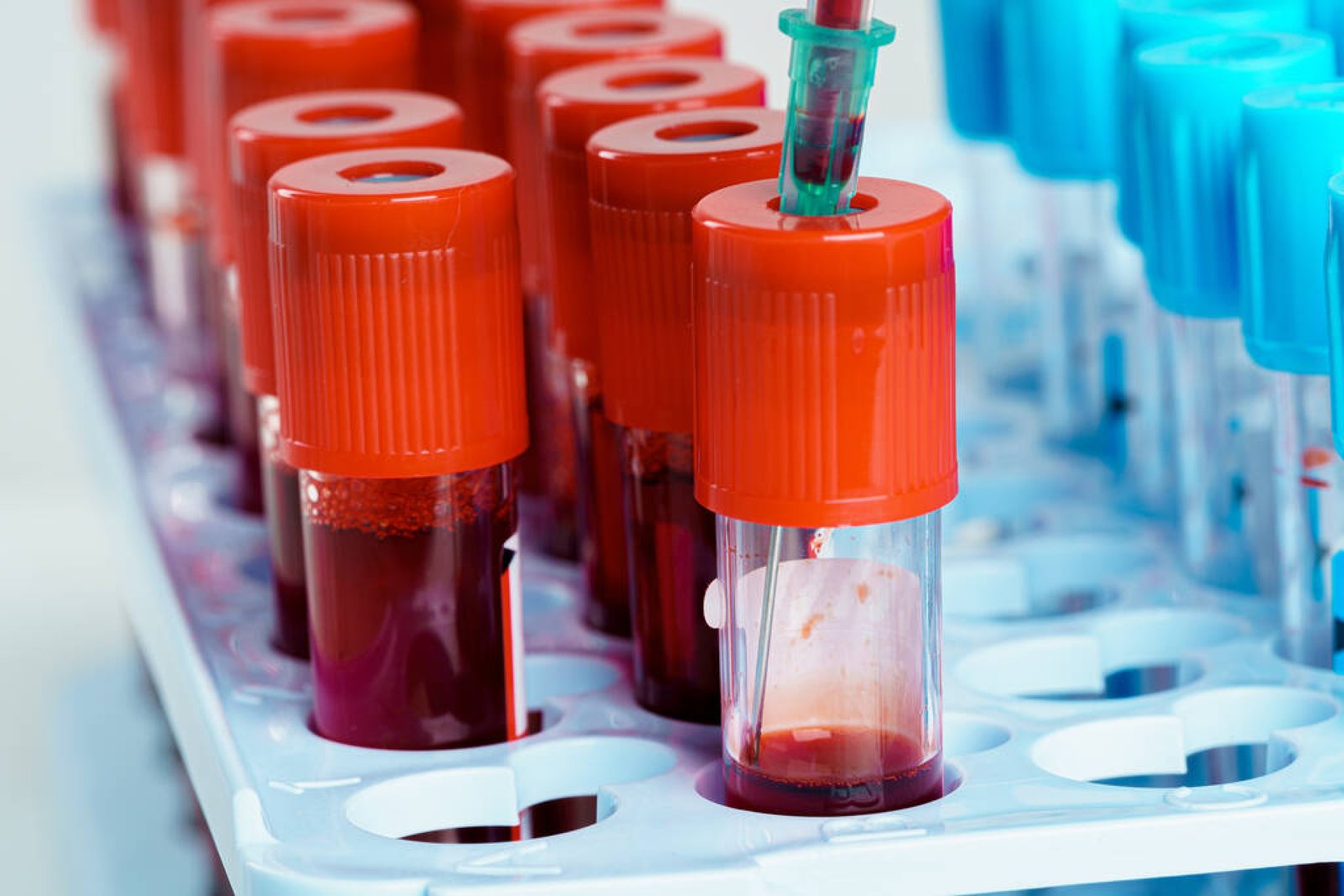
Forensic Blood Group Examination is a traditional yet vital serological procedure used to determine the ABO and Rh blood types of biological stains recovered from crime scenes. While modern DNA profiling has taken center stage for individualization, blood group typing remains an invaluable, cost-effective, and rapid screening tool. It allows investigators to swiftly narrow down suspect pools, exclude innocent individuals, and corroborate physical alignments in hit-and-run incidents, brawls, and violent assaults. The fundamental premise rests on identifying specific agglutinogens (antigens) present on red blood cells or within fluid matrices.
The scientific challenge in forensic serology lies in determining blood groups not from fresh, liquid clinical samples, but from dried, aged, and environmentally compromised stains deposited on varied substrates like fabrics, timber, soil, or metal. Specialized techniques, such as the Absorption-Elution and Lattes titration methods, are deployed by forensic serologists to gently release and identify antibodies and antigens trapped within dried matrix structures. This capability ensures that even when a sample is too degraded or small for full nuclear DNA analysis, valuable exclusionary class evidence can still be successfully extracted.
Aspire Forensics provides precise and dependable Blood Group Examination in Noida. Our analytical laboratory processes liquid and dried blood exhibits under strict environmental controls, preventing sample corruption and ensuring verifiable outcomes.
Clients seeking the best blood typing services in Noida rely on our extensive experience in handling challenging serological substrates. We ensure that every bloodstain analysis is executed with absolute scientific rigor.
For legal professionals and law enforcement teams requiring top blood group examination services in Greater Noida, our certified experts provide clear documentation stating whether questioned stain profiles align with or exclude known reference individuals.
Scientific Principles of ABO and Rh Typing
The ABO blood group system is defined by the presence or absence of specific carbohydrate antigens (Antigen A and Antigen B) on the surface of red blood cells, coupled with naturally occurring antibodies in the blood plasma (Anti-A and Anti-B). The Rh factor introduces an additional protein marker (Rh positive or negative).
Absorption-Elution Technique: When blood dries on clothing or hard surfaces, red blood cells rupture, making direct cell-typing impossible. The Absorption-Elution method overcomes this by introducing specific antibodies (e.g., Anti-A) to a cutting of the dried stain. The antibodies bind to any matching antigens present. The fabric is then washed thoroughly, and heat is applied to "elute" (release) the bound antibodies back into solution. Indicator red blood cells of known types are added; if agglutination occurs, the specific blood group antigen is confirmed.
Laboratory Workflow and Execution
The examination follows a systematic path from screening to elusion testing:
- Substrate Evaluation: Assessing the material on which the stain rests to select appropriate chemical extractions.
- Stain Solubilization: Gently rehydrating dried blood fragments using isotonic saline buffers to preserve protein integrity.
- Absorption Phase: Incubating stain extracts with standardized anti-sera to capture target antigens.
- Elution and Agglutination: Heating samples to release antibodies and mixing with indicator cells to record clumping reactions.
Core Elements of Blood Typing
Liquid Blood Profiling
Standard forward and reverse typing of fluid blood samples collected directly from living subjects or fresh scenes.
Dried Stain Analysis
Applying Absorption-Elution protocols to extract and type bloodstains aged on fabrics, weapons, or furniture.
Secretor Testing
Evaluating whether an individual secretes their blood type antigens into other bodily fluids like saliva or semen.
Exclusionary Power in Judicial Matters
Blood grouping functions primarily as class evidence. While sharing a blood group with a suspect does not prove guilt due to millions of shared profiles worldwide, a mismatch provides absolute exclusion. If a crime scene bloodstain is Type B while a suspect is Type A, the suspect is scientifically eliminated from having left that specific deposit. Aspire Forensics documents these exclusionary boundaries with absolute transparency.
Environmental Alteration and Contamination
Bacterial putrefaction, exposure to heavy mud, and chemical detergents can alter protein structures, rendering blood group antigens undetectable or causing false agglutination patterns. Our experts run comprehensive control blanks alongside every test to account for substrate interference.
Frequently Asked Questions
-
1. Can blood grouping prove that a suspect committed a crime?
No. Blood grouping is exclusionary class evidence. It can prove a person *did not* leave the stain, but if types match, it only proves they *could* be a contributor among many others.
-
2. How do you type blood from a dry stain on clothing?
We use the Absorption-Elution method, binding specific antibodies to antigens in the dried fabric threads and then releasing them to react with indicator red blood cells.
-
3. What is a 'secretor'?
Roughly 80% of humans secrete their ABO blood group antigens into body fluids like saliva, semen, and sweat. This allows typing from non-blood evidence like cigarette butts or bite marks.
-
4. Is blood group testing still relevant alongside DNA?
Yes. It serves as a rapid, cost-effective initial screening test to quickly eliminate non-matching suspects before expensive DNA sequencing is initiated.
