

Document Authenticity Analysis

Forensic Document Authenticity Analysis
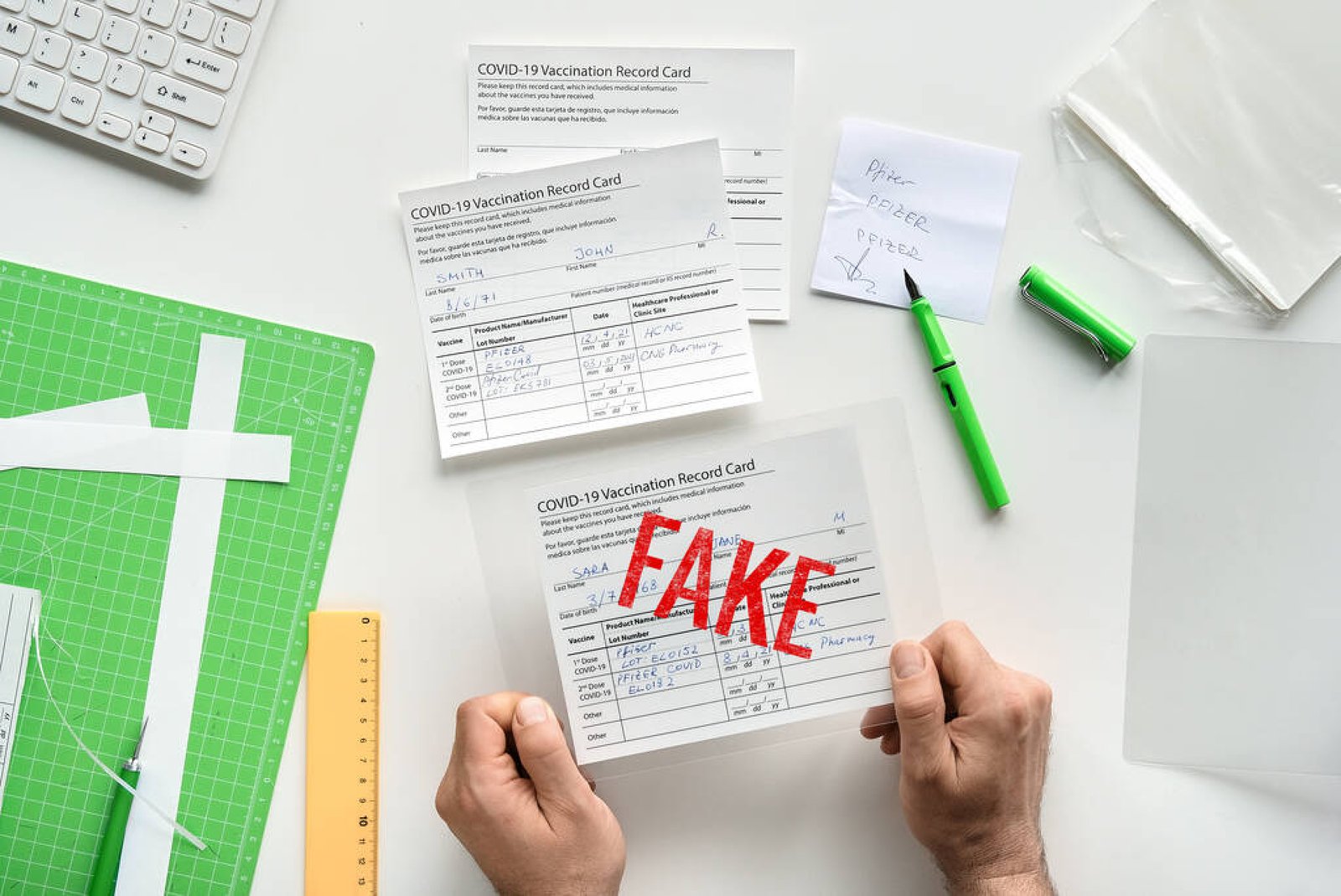
Document Authenticity Analysis is the forensic examination of a document to assess features that may assist in determining whether the document, entry or particular component is consistent with its represented origin, preparation or condition. The examination may involve physical, handwritten, printed and other observable characteristics.
Questions concerning document authenticity can arise in agreements, certificates, financial records, property documents, business records, applications, correspondence and other documents where the genuineness or integrity of the material is disputed. A document may appear genuine on ordinary inspection while requiring closer examination of specific features.
Aspire Forensics provides Document Authenticity Analysis in Noida for matters where the authenticity or integrity of questioned documentary material requires forensic examination. The scope of the assessment depends on the specific question, the document available and the characteristics that can be examined.
For matters requiring Document Authenticity Analysis in Greater Noida, the examination similarly considers the nature of the questioned document, relevant comparison material and the condition in which the document has been submitted.
What Document Authenticity Analysis Covers
Document authenticity analysis considers relevant features of a questioned document in relation to the examination question. Depending on the circumstances, this may involve handwriting, signatures, printing, alterations, additions, erasures, physical features or differences between questioned and known material.
A questioned document examination may therefore focus on one particular feature or involve several aspects of the document. The scope depends on the nature of the concern and the quality, quantity and suitability of the evidence available.
- Examination of questioned and disputed documents
- Assessment of relevant document characteristics
- Examination of apparent alterations and additions
- Assessment of erasures and overwriting
- Examination of handwriting and signatures where relevant
- Assessment of printing and production features
- Comparison with suitable known or reference material
Types of Documents Examined
Questions of authenticity can arise in many different types of documentary material. Depending on the matter, examination may involve agreements, certificates, applications, financial records, property documents, business records, letters, forms and other written or printed documents.
The examination may focus on a complete document or on a particular entry, signature, page or feature. Where comparison is required, suitable known material may provide an important basis for evaluating the questioned characteristics.
The nature of the document and the issue being investigated determine which examination methods and characteristics are relevant. Not every document requires the same form of forensic assessment.
Areas of Document Authenticity Analysis
Document Characteristics
Examination of relevant physical, written and printed document characteristics.
Alteration Examination
Assessment of suspected erasures, additions, overwriting and modifications.
Document Comparison
Comparison of questioned material with suitable known or reference documents.
Document Characteristics and Authenticity
Forensic document authenticity analysis may consider characteristics associated with the preparation and appearance of a document. Depending on the examination question, these may include handwriting, signatures, printing characteristics, alignment, entries, additions and other observable features.
The examination does not depend on a single visual impression. Relevant characteristics are considered together and interpreted in relation to the available evidence and the specific question presented.
The suitability of a particular characteristic for examination depends on how clearly it is represented in the questioned document and whether appropriate comparison material is available.
Alterations, Erasures and Additions
A document may sometimes contain entries that have been changed, removed, added or overwritten after its initial preparation. Examination of such material may involve assessment of visible and physical characteristics associated with the questioned area.
Possible areas of examination include erasures, additions, overwriting, obliteration and other apparent modifications. The ability to assess a suspected alteration depends on the document's condition and the nature of the material involved.
Where a document is suspected of having been altered, it should be preserved carefully. Additional writing, marking, folding or unnecessary handling may affect features that could later be relevant to examination.
Handwriting and Signature Features
Handwriting and signatures can form an important part of a document authenticity examination where the identity, origin or genuineness of an entry is questioned. Where appropriate, questioned writing or signatures may be compared with suitable known or specimen material.
Natural variation is considered when comparing handwriting or signatures. A difference between two samples does not automatically establish that the material has a different origin, just as general visual similarity alone does not establish authenticity.
The examination therefore considers relevant characteristics within the available material and the limitations imposed by the quality and quantity of the comparison evidence.
Printing and Document Production Features
Printed and typed documents may contain characteristics associated with their method of production. Where relevant to the examination question, these features may be considered along with other physical and graphical characteristics of the document.
Examination may involve differences between entries, variations in printing or other production-related characteristics that warrant closer comparison. The precise scope depends on the document and the issue under examination.
Such features are considered as part of the overall assessment rather than being interpreted in isolation from the other available evidence.
Document Authenticity Examination Process
The examination begins with a review of the questioned document and the specific concern that needs to be addressed. Relevant portions of the document are identified and considered according to the nature of the examination required.
Where comparison is necessary, questioned features may be evaluated against suitable known, reference or specimen material. Relevant similarities, differences and other observable characteristics are considered in relation to the available evidence.
The findings are then interpreted in the context of the examination question. Limitations arising from the condition, quality or suitability of the submitted material are taken into account when reporting the findings.
Questions the Examination May Address
Depending on the evidence available, document authenticity analysis may assist in addressing questions such as:
- Whether questioned document features require forensic examination
- Whether questioned writing or signatures can be compared with suitable known material
- Whether a document contains indications of alteration or modification
- Whether particular entries show characteristics requiring further examination
- Whether questioned and known material display relevant similarities or differences
- Whether the available material is sufficient for the requested examination
Importance of the Original Document
An original document is generally preferable when the examination involves physical, detailed or microscopic characteristics that may not be preserved fully in a photocopy, scan or other reproduction.
Copies and digital reproductions may still provide useful information in some circumstances. Their suitability depends on the quality of the reproduction and the specific characteristics that need to be examined.
When an original document is available, it should be preserved in its existing condition and should not be unnecessarily marked, folded, written on or otherwise modified before examination.
Known and Reference Material
Suitable comparison or reference material can be important when the authenticity question involves comparison with a known document, writing, signature or other material. The relevance, quality, quantity and condition of such material can affect the scope of the examination.
Known documents should be relevant to the particular examination question wherever possible. Material that is unsuitable, incomplete or of poor quality may limit the extent to which meaningful comparisons can be made.
The exact material required varies according to the circumstances of the matter. The examination requirement should therefore be considered before selecting and submitting comparison material.
Examination Findings and Limitations
Findings are based on characteristics observed in the material submitted for examination. The assessment should remain connected to the specific evidence available rather than extending beyond what the material can support.
Limitations may arise where the original document is unavailable, the reproduction is of insufficient quality, relevant comparison material is missing, or particular characteristics cannot be adequately assessed.
These limitations are taken into consideration when interpreting and reporting the findings. The scope of any conclusion therefore depends on the quality, quantity and suitability of the available evidence.
When Document Authenticity Analysis May Be Required
Document authenticity analysis may be relevant when the genuineness or integrity of a document is questioned. Common situations can involve agreements, certificates, financial records, property documents, business records, applications, correspondence and other written or printed material.
Document Authenticity Analysis in Noida may be required where a questioned document needs forensic assessment in connection with a dispute, investigation or other proceeding. Similar requirements may arise in matters involving Document Authenticity Analysis in Greater Noida.
The appropriate examination depends on the specific concern, the document available and the evidence that can be assessed.
Professional Document Authenticity Analysis
Each document is considered according to the specific examination question, the characteristics that can be observed and the comparison or reference material available. The assessment is not based solely on the general appearance of the document.
Relevant similarities, differences, physical features, writing characteristics and other observations are considered together within the scope of the evidence. Where the available material places limitations on the examination, those limitations remain part of the interpretation.
This evidence-focused approach helps keep document authenticity examination connected to the material actually submitted and the specific question for which the examination was requested.
Frequently Asked Questions
-
1. What is document authenticity analysis?
Document authenticity analysis is the forensic examination of relevant document features to assess questions concerning its genuineness, integrity, preparation or possible modification.
-
2. Can an altered document be examined?
Yes. Depending on the condition of the document, examination may address suspected erasures, additions, overwriting, obliteration and other apparent modifications.
-
3. Can handwriting or signatures form part of the examination?
Yes. Where relevant to the examination question, questioned handwriting or signatures may be examined and compared with suitable known or specimen material.
-
4. Is the original document required?
An original document is generally preferable when physical or detailed characteristics need to be examined. The suitability of a copy depends on the specific examination requirement.
-
5. What documents can be examined for authenticity?
Depending on the matter, examination may involve agreements, certificates, financial records, applications, property documents, business records, correspondence and other questioned written or printed material.
-
6. Can a photocopy or scanned document be examined?
A photocopy or digital reproduction may be examined in some circumstances. Its suitability depends on the quality of the reproduction and the specific characteristics that need to be assessed.
-
7. What happens if the available evidence is insufficient?
The scope of the examination may be limited when the available material is inadequate or unsuitable. Any such limitation is considered when the findings are interpreted and reported.
