

Mobile Forensics

Mobile Forensics
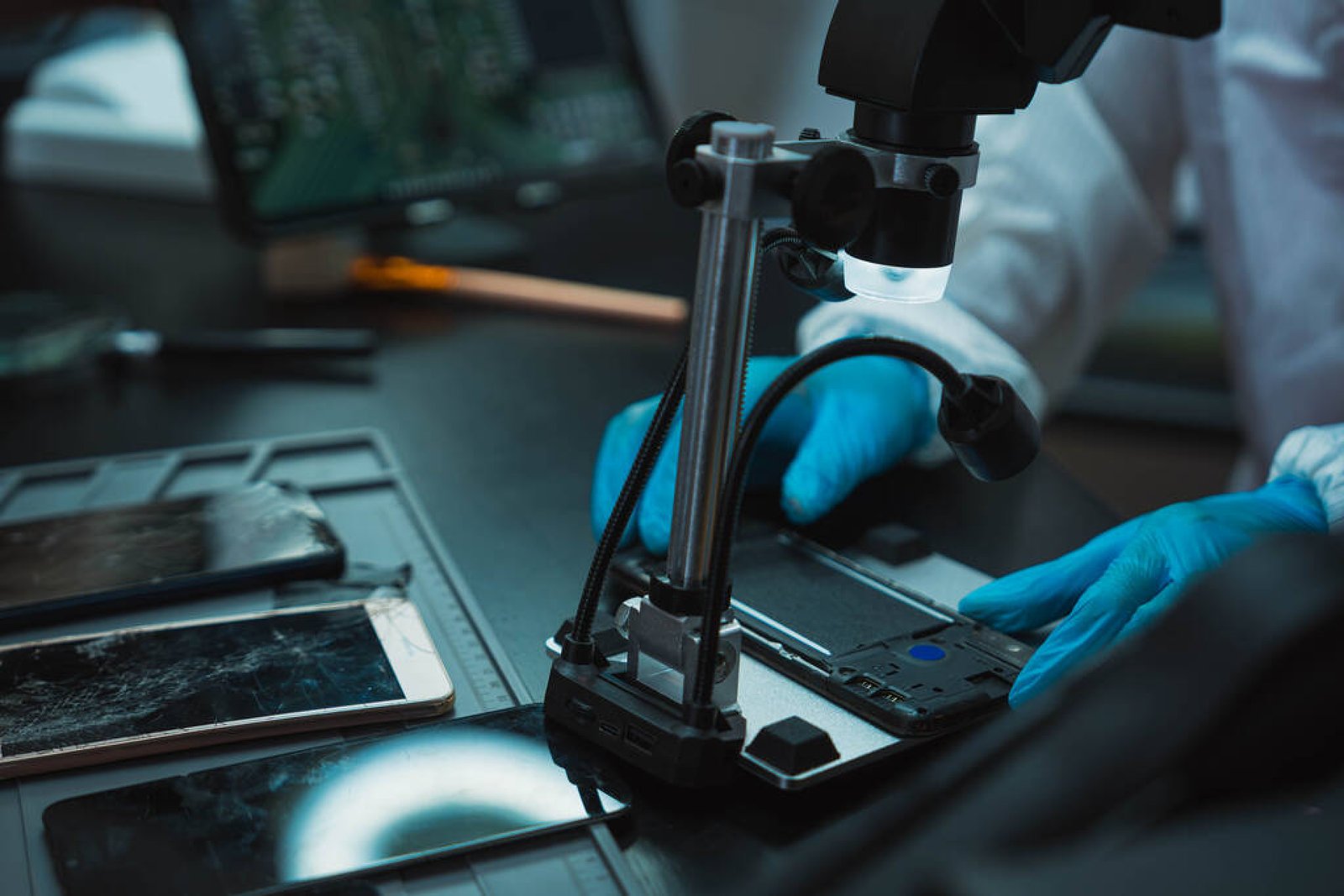
Mobile Forensics is a specialized branch of digital forensics that deals with the secure recovery, extraction, and analysis of digital evidence from mobile devices such as smartphones, tablets, GPS devices, and wearable tech. The examination uncovers critical data including call logs, text messages, location history, and multimedia files.
Evidence on mobile devices is highly volatile and constantly changing due to background syncs, cellular network updates, and app activity. The reliability of the extracted data relies on proper isolation techniques (like Faraday bags) and advanced extraction software.
Aspire Forensics provides Mobile Forensics in Noida for legal, corporate, and private matters involving communication tracking, fraud, employee misconduct, and data recovery. Our experts extract data using non-destructive, court-admissible methodologies.
Clients researching the best mobile forensic services in Noida should consider the facility’s ability to bypass passcodes, decode proprietary third-party apps (like WhatsApp or Telegram), and recover deleted databases.
Similar complex requirements apply when seeking top mobile forensic services in Greater Noida, particularly where modern encryption standards and secure mobile operating systems are involved.
What Mobile Forensics Covers
Mobile forensics covers the deep extraction of structured and unstructured data from device memory and SIM cards. The goal is to safely map out the user's digital life, communications, and movements without altering the device environment.
The process can involve logical extractions (accessing what the user sees), file system extractions, or complex physical extractions (a bit-by-bit dump of the flash memory).
- Recovery of deleted text messages, call logs, and contacts
- Analysis of third-party chat applications (WhatsApp, Signal, etc.)
- Extraction of photos, videos, and associated EXIF location data
- Tracking of web browsing history and social media activity
- GPS location mapping and Wi-Fi connection history
- Bypassing screen locks and accessing encrypted backups
- Detection of spyware, stalkerware, and unauthorized trackers
Devices Used for Mobile Forensics
Mobile forensics spans a wide variety of portable hardware. Questioned material typically includes smartphones (iOS and Android), feature phones, SIM cards, microSD cards, and modern smartwatches.
Known or reference material may include cloud backups linked to the device, synchronized computer files, or carrier records used to corroborate the data found on the local handset.
The device must be preserved by preventing it from connecting to cellular or Wi-Fi networks (usually via Airplane mode or isolation bags) to stop remote wiping commands or data overwrites.
Areas of Mobile Forensics
Logical Extraction
Extracting active, user-accessible data such as contacts, live messages, and media files directly through API protocols.
Physical Extraction
Creating a raw, bit-for-bit copy of the device memory, allowing for the recovery of heavily deleted or hidden data.
App Decoding
Parsing proprietary SQLite databases of third-party apps to reconstruct chat threads and user interactions.
Deleted Data Recovery & App Analysis
Much of the critical evidence in mobile forensics lies in data the user attempted to delete. When a file or message is deleted on a smartphone, the OS often simply marks the space as available rather than instantly erasing the data.
By utilizing physical extraction methods or advanced file system analysis, examiners can often parse the SQLite databases (commonly used by Android and iOS) to recover these "free pages" containing deleted text blocks.
The examination carefully pieces together fragmented data to reconstruct deleted WhatsApp chats, SMS threads, or wiped browser histories, providing crucial context to an investigation.
Mobile Artifact Characteristics
Mobile matching involves examining structural artifacts like property lists (.plist) in iOS, SQLite database entries, and system registries. These hidden files record exactly when a phone was unlocked, when an app was installed, and where the device was located.
Individual data points are cross-referenced. For example, a picture’s EXIF metadata timestamp is compared against GPS logs and cellular tower connections to definitively prove the location of a suspect device at a specific time.
Operating system updates, factory resets, or heavy usage can rapidly overwrite unallocated space. Therefore, discrepancies and missing blocks of time are evaluated to determine if intentional wiping occurred.
Extraction and Parsing Process
Mobile forensics begins with securely isolating the device to block incoming signals. The examiner then identifies the make, model, and OS version to select the appropriate, non-destructive extraction method.
Once the data dump is secured, specialized decoding software translates the raw hexadecimal code into readable formats, reconstructing chat bubbles, timelines, and geographical maps.
The conclusion depends heavily on device encryption levels. If a modern device utilizes secure enclaves and the passcode is entirely unknown, certain extractions may be limited to cloud backups or advanced hardware-level exploits.
Mobile Examination Procedure
The examination begins with documenting the physical condition of the device, checking for damage, and photographing the screen if it is active. Proper chain of custody documentation is maintained throughout.
Data is acquired using read-only protocols to ensure nothing on the device is altered. The extracted data is then indexed, searched using case-specific keywords, and categorized.
Observations are compiled into a comprehensive forensic report. Any limitations arising from encryption barriers, physical damage to the memory chip, or incomplete extractions are clearly stated.
Questions the Examination May Address
Depending on the extracted evidence, mobile forensics may assist in addressing questions such as:
- Who was communicating with whom, and at what time?
- Where was the mobile device physically located during an event?
- Are there hidden, encrypted, or deleted photos and videos?
- Was spyware or tracking software secretly installed on the phone?
- Did the user search for specific illicit content on their browser?
- Has the device undergone a recent factory reset or data wipe?
Quality of Mobile Evidence
The quality of mobile evidence is heavily dependent on the device's state upon seizure. A fully functioning, unlocked phone yields maximum data, whereas a severely damaged or power-cycled locked device may present significant challenges.
Storage capacity, ongoing usage after an incident, and OS security patches affect the availability of deleted data. A phone used heavily for weeks after deleting a message is unlikely to retain that deleted data.
Advanced techniques, such as chip-off forensics (removing the memory chip directly) or JTAG, can sometimes bypass severe physical damage to recover data that would otherwise be lost.
Cloud Data and Backups
When the physical device is unavailable, destroyed, or heavily encrypted, mobile forensics extends to analyzing digital backups. This includes iCloud backups, Google Drive syncs, or local iTunes backups found on a computer.
These records often contain exact mirrors of the mobile device's app data, call histories, and messages as they existed at the time of the backup.
Where an original backup token or cloud warrant return is available, it provides critical information. Assessing the timeline of these remote syncs is vital to completing the forensic picture.
Mobile Findings and Limitations
Mobile forensic findings depend on the extraction depth successfully achieved. The examination reflects the data structures successfully parsed from the phone's memory.
The report will clearly delineate between active data (currently on the phone) and recovered deleted data, providing timestamps and source paths for every artifact discovered.
Limitations such as modern file-based encryption (FBE), unknown complex alphanumeric passcodes, or deliberate use of self-destructing message apps are considered when interpreting the scope of the recovered evidence.
When Mobile Forensics May Be Required
Mobile forensics is heavily utilized in virtually all modern investigations, as smartphones are central to daily life and communication.
Mobile Forensics in Noida may be required for corporate espionage, family law disputes, stalking, fraud investigations, and recovering lost vital business data. Similar requirements drive requests for Mobile Forensics in Greater Noida.
Clients researching the best mobile forensic services in Noida should consider the lab's capability with the specific make and model of the phone, and their success rate with modern encryption hurdles.
Evidence-Based Mobile Analysis
Each mobile extraction is treated as a rigid scientific process. The data recovered speaks for itself, rooted strictly in the databases and logs parsed from the device.
Timestamps, message threads, and GPS coordinates are reported exactly as they reside in the system. The examination does not make assumptions outside of what the digital artifacts explicitly prove.
For clients searching for the top mobile forensic services in Greater Noida, maintaining this evidence-based, impartial reporting standard is crucial for the evidence to be accepted in legal tribunals.
Frequently Asked Questions
-
1. What is mobile forensics?
Mobile forensics is the scientific process of recovering, analyzing, and preserving digital evidence from mobile devices under forensically sound conditions.
-
2. Can you recover deleted WhatsApp or text messages?
In many cases, yes. Depending on the device type and how much the phone has been used since the deletion, we can often extract deleted messages from the app's database files.
-
3. What if the phone is locked with a passcode?
We utilize advanced forensic tools and techniques to bypass or brute-force locks on many device models, though success depends heavily on the specific OS version and security patch.
-
4. Can you tell where a phone has been?
Yes. By analyzing GPS logs, Wi-Fi connection history, cell tower data, and photo location tags, we can reconstruct the historical movements of the device.
-
5. Do you need the physical phone to do an extraction?
While having the physical phone is ideal, we can also perform forensics on digital backups (like iCloud or computer backups) if the physical device is missing or destroyed.
-
6. How can I prevent data loss before bringing the phone in?
Put the device in Airplane mode immediately to prevent remote wiping, stop using the device to prevent data overwriting, and keep it charged.
-
7. Are your findings accepted in court?
Yes. Our extraction and reporting processes adhere to strict chain-of-custody protocols designed specifically for admissibility in legal proceedings.
