

Forensic DNA Test

Forensic DNA Testing Services
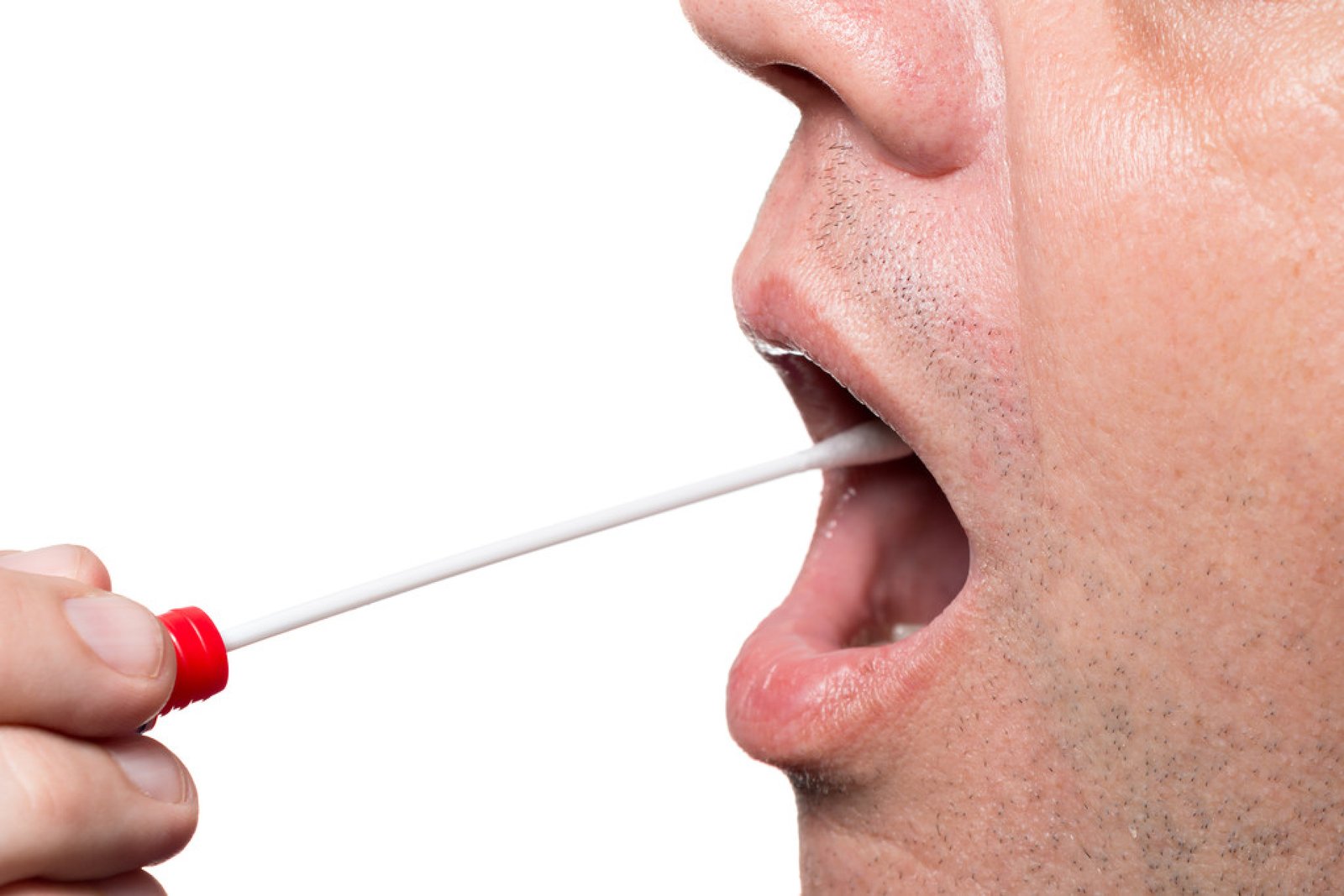
Forensic DNA Testing represents the absolute pinnacle of modern evidentiary science. Often referred to as the gold standard in forensic investigation, DNA (Deoxyribonucleic Acid) profiling provides an unmatched degree of individualization. With the exception of identical twins, no two human beings share the exact same genetic code. Because DNA is present in almost all nucleated cells of the human body—including blood, saliva, semen, skin cells, hair roots, bone marrow, and teeth—it can be recovered from the smallest and most obscure traces left behind at a crime scene. The ability to extract, amplify, and analyze these genetic blueprints has revolutionized criminal justice, exonerating the wrongfully accused while providing incontrovertible proof to convict the guilty.
The science of forensic DNA profiling is rooted in the analysis of specific regions of the human genome known as Short Tandem Repeats (STRs). These are sequences of DNA that repeat consecutively, and the number of repetitions varies widely from person to person. By examining multiple STR loci simultaneously using Polymerase Chain Reaction (PCR) amplification and capillary electrophoresis, forensic scientists generate a genetic profile consisting of numerical values. This profile can be statistically compared against reference samples collected from suspects, victims, or databases, yielding probability ratios that frequently exceed billions to one. Beyond criminal cases, forensic DNA testing is indispensable in civil law, resolving complex matters of disputed paternity, maternity, sibling relationships, inheritance claims, and the identification of unknown human remains in mass disaster or missing persons investigations.
Aspire Forensics provides elite, highly accurate Forensic DNA Testing in Noida. Our laboratory adheres to stringent international guidelines, utilizing cutting-edge genetic analyzers and automated extraction systems. We process biological evidence recovered from diverse substrates—ranging from fresh stains on clothing to highly degraded samples recovered from challenging environmental conditions—ensuring maximum recovery of genetic data without compromising evidentiary integrity.
Clients seeking the best forensic DNA testing services in Noida rely on our uncompromising commitment to procedural correctness and analytical accuracy. Every phase of testing, from initial sample logging and quantification to amplification and statistical evaluation, is executed under strict quality assurance controls, protecting against contamination and sample mix-ups.
For judicial bodies, defense attorneys, and corporate entities requiring top forensic DNA testing services in Greater Noida, our certified molecular biologists provide clear, peer-reviewed expert reports and comprehensive testimony. We break down complex population genetics and statistical match probabilities into clear, understandable language for judicial review.
Scientific Foundation of Genetic Profiling
The human genome consists of approximately 3 billion base pairs of nucleotides (Adenine, Thymine, Cytosine, and Guanine). While more than 99.9% of human DNA is identical across the entire species, the remaining fraction—the non-coding regions—contains hyper-variable repeating sequences that make every individual unique. Forensic DNA profiling focuses precisely on these non-coding regions, ensuring that personal medical traits are not exposed while maximizing individual identification capability.
STR Loci and Multiplexing: Modern forensic laboratories analyze a standardized core panel of STR loci (such as CODIS standards in the United States or equivalent international standards). Multiplex PCR allows scientists to amplify up to 24 different loci simultaneously in a single reaction tube, even when working with minuscule amounts of template DNA (such as "touch DNA" left on a doorknob or steering wheel).
Capillary Electrophoresis: Following amplification, the DNA fragments are separated and detected using capillary electrophoresis. The fragments pass through a thin glass capillary tube under an electrical voltage; smaller fragments move faster than larger ones. A laser beam excites the fluorescent dyes attached to the primers, and a detector records the signals as electropherograms (peaks on a graph), which represent the individual's genetic alleles at each tested locus.
The Step-by-Step Forensic DNA Workflow
The forensic DNA workflow is a meticulous scientific process designed to ensure absolute traceability and prevent contamination. It begins with rigorous evidence intake, where items are documented, photographed, and processed in dedicated, segregated workspaces using personal protective equipment and laminar flow hoods.
1. Extraction: The first laboratory step is DNA extraction, where cells are broken open (lysed) using chemical detergents and enzymes to release the DNA into solution, while cellular proteins and contaminants are washed away. Depending on the evidence type, organic, chelating resin, or magnetic bead-based extraction methods are utilized.
2. Quantification: Before proceeding to amplification, the extracted DNA is quantified using real-time PCR (qPCR). This step determines the exact concentration of human DNA present in the sample, ensuring that optimal template amounts are added to the amplification reaction to prevent analytical artifacts like allele drop-out or stutter peaks.
3. Amplification (PCR): The quantified DNA is placed into a thermal cycler with fluorescently labeled primers. The Polymerase Chain Reaction artificially replicates the targeted STR regions millions of times over, creating a detectable quantity of genetic material from an initial sample size that would otherwise be invisible to analysis.
Specialized Applications of DNA Testing
Criminal Casework
Matching crime scene biological evidence (blood, semen, touch DNA) against suspect profiles to establish direct physical links.
Paternity & Kinship
Performing high-probability biological relationship testing for legal disputes, immigration verification, and inheritance claims.
Mass Disasters & ID
Extracting DNA from compromised or degraded remains to identify victims of accidents, disasters, or missing persons cases.
Statistical Interpretation and Match Probabilities
A DNA profile generated from a crime scene is meaningless without statistical evaluation. When a profile matches a suspect's reference sample, forensic scientists calculate the Random Match Probability (RMP)—the statistical likelihood that a randomly selected person from a given population would coincidentally share that exact same DNA profile.
Utilizing established allele frequency databases, scientists apply the product rule across all tested loci. In modern multiplex testing, this calculation frequently results in match probabilities of one in several trillion individuals, vastly exceeding the total population of the Earth. This staggering statistical weight transforms DNA profiling from a mere piece of circumstantial evidence into a definitive pillar of judicial proof, capable of resolving complex legal trials with unprecedented scientific certainty.
Handling Complex and Mixed Samples
While powerful, forensic DNA analysis faces challenges when dealing with mixed samples (DNA contributed by two or more individuals, common in sexual assault cases) or low-template samples (touch DNA). Advanced software, such as probabilistic genotyping systems, can mathematically parse complex mixtures, separating major and minor contributors. Aspire Forensics employs these sophisticated interpretation models to extract actionable intelligence even from highly compromised casework evidence.
Frequently Asked Questions
-
1. What is "Touch DNA" and can it be recovered?
Touch DNA refers to the microscopic transfer of skin cells left behind when a person handles an object or touches a surface. Using ultra-sensitive extraction methods, our lab can frequently recover and profile DNA from items like steering wheels, tools, and weapon grips.
-
2. How accurate is a forensic DNA test?
When performed under strict quality controls, forensic DNA profiling is exceptionally accurate, with inclusion match probabilities typically exceeding 99.9999% for standard human identification panels.
-
3. Can DNA testing prove who touched an object first?
Not necessarily. DNA testing identifies *whose* genetic material is present, but it cannot definitively prove *when* or *how* the transfer occurred due to secondary and tertiary transfer mechanisms.
-
4. What samples are needed for a paternity test?
Standard paternity testing requires simple buccal (cheek) swabs collected using sterile cotton swabs rubbed against the inside of the cheek. It is painless, non-invasive, and yields abundant cellular material.
