

Physical Evidence Examination

Physical Evidence Examination
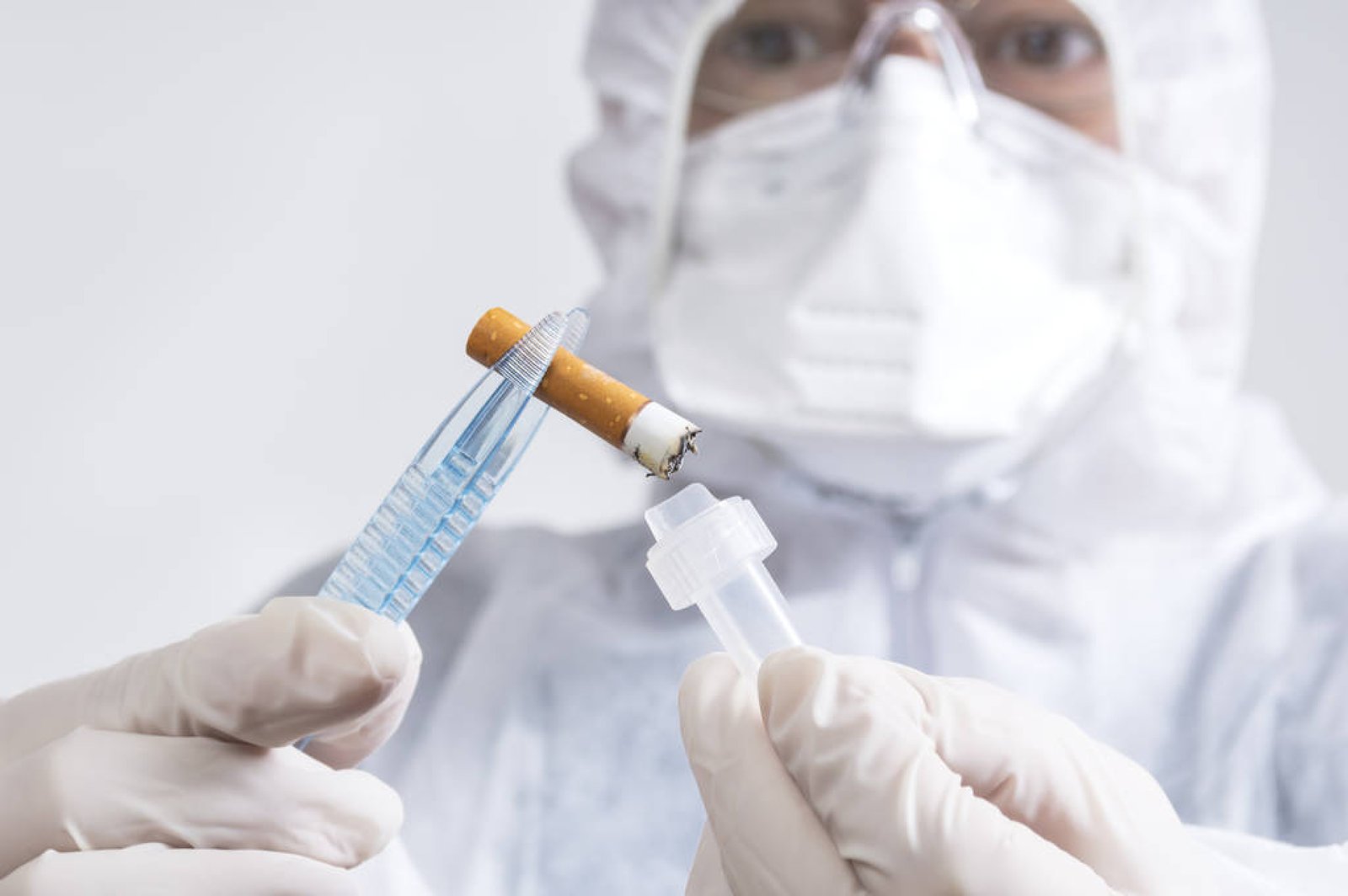
Physical Evidence Examination is the cornerstone laboratory discipline of forensic science, encompassing the systematic identification, comparison, and evaluation of tangible items recovered from crime scenes. Physical evidence includes an extraordinarily broad spectrum of material objects—ranging from massive automotive parts and weapons to microscopic paint chips, glass shards, textile fibers, soil particles, and chemical residues. The primary mission of a physical evidence examiner is to subject these items to rigorous optical, physical, chemical, and instrumental analysis, determining their composition, origin, and whether they share a common source with known exemplar standards.
The scientific foundation of physical evidence analysis rests on comparative microscopy and materials science. When objects come into force-driven contact, they undergo mechanical stress that leaves unique individualizing markings, fractures, or material transfers. By utilizing advanced instrumentation such as Scanning Electron Microscopy with Energy Dispersive X-ray Spectroscopy (SEM-EDX), Fourier-Transform Infrared Spectroscopy (FTIR), and high-powered stereomicroscopy, forensic experts can analyze the internal structure and chemical makeup of physical items at microscopic scales. This objective evaluation transforms silent objects into eloquent witnesses that confirm or refute alibis, identify manufacturing origins, and establish definitive links between perpetrators, victims, and crime scenes.
Aspire Forensics provides accredited, advanced Physical Evidence Examination in Noida. Our analytical facility is equipped with state-of-the-art optical and spectroscopic instruments designed to evaluate trace and macro evidence under meticulous laboratory controls.
Clients searching for the best physical evidence examination services in Noida trust our laboratory for our methodical approach, detailed documentation, and unwavering scientific objectivity. We ensure that every physical exhibit is analyzed without altering its integrity for future testing.
For legal counsel, insurance adjusters, and corporate bodies requiring top physical evidence examination services in Greater Noida, our certified forensic scientists deliver comprehensive, peer-reviewed reports and expert court testimony that clarify complex material comparisons.
Scientific Principles of Comparison and Identification
Physical evidence analysis is categorized primarily into two fundamental functions: identification and comparison.
Identification: This process has the objective of determining the physical or chemical identity of a substance with absolute certainty. Examples include testing a white powder to determine if it is an illicit narcotic, analyzing a liquid residue to confirm accelerant presence, or identifying the metallic composition of a bullet fragment. Standardized chemical and instrumental tests are applied to rule out all other possibilities.
Comparison: A comparative analysis subjects a questioned specimen (recovered from a crime scene) and a known specimen (standard exemplar collected from a suspect or manufacturer) to simultaneous tests under identical conditions. The goal is to determine whether both specimens originated from a common source by evaluating shared class or individual characteristics.
Laboratory Analytical Workflow
The examination of physical items follows a rigorous, non-destructive to destructive analytical hierarchy:
- Visual & Stereomicroscopic Observation: Initial inspection using high-magnification optics to note surface morphology, fracture patterns, and foreign inclusions.
- Non-Destructive Instrumental Testing: Employing spectroscopic methods like FTIR or X-ray fluorescence to analyze chemical bonds and elemental composition without altering the item.
- Physical Match (Fracture Matching): Aligning jagged broken edges of objects (such as plastic pieces or broken glass) to prove they once formed a single continuous entity.
- Destructive Chemical Analysis: Conducting micro-chemical tests or gas chromatography-mass spectrometry (GC-MS) only when necessary and authorized.
Key Specializations in Evidence Analysis
Fracture Match Analysis
Reconstructing broken items to prove physical fit between crime scene fragments and suspect tools or vehicles.
Trace Paint & Glass
Comparing microscopic paint layers from hit-and-run vehicles or refractive index properties of glass shards.
Fiber & Textile Testing
Analyzing synthetic and natural textile fibers under polarization microscopes to link clothing transfers.
Evidentiary Value and Individualization
The ultimate power of physical evidence examination lies in individualization—proving that an object is unique and came from one specific source to the exclusion of all others. Fracture matching, for instance, provides absolute individualization, as no two objects break in the exact same manner. Aspire Forensics documents these unique fracture lines and material matches to provide courts with undeniable scientific proof.
Substrate Interference and Trace Limitations
Microscopic trace evidence is vulnerable to environmental loss and masking. For instance, glass fragments recovered from soil require extensive cleaning before refractive index testing can occur, and mass-produced items (like standard window glass or common blue denim fibers) possess strong class characteristics but lack individualizing traits. Our reports clearly distinguish between class associations and absolute individualization.
Frequently Asked Questions
-
1. What is a physical match or fracture match?
A physical match occurs when two or more broken objects (like plastic fragments, duct tape ends, or metal parts) are reassembled, proving through irregular fracture lines that they once formed a single unified item.
-
2. Can paint chips from a hit-and-run identify a vehicle model?
Yes. By analyzing the multi-layer sequence, chemical composition, and pigments of paint chips using spectroscopy, forensic labs can often narrow down the vehicle make, model, and year range.
-
3. What is the difference between class and individual characteristics?
Class characteristics point to a group of objects (e.g., brand of shoe size 10), while individual characteristics are unique flaws acquired through wear and tear that point to one specific item (e.g., a specific cut in the shoe sole).
-
4. Are your physical evidence reports accepted in court?
Yes. All examinations are conducted using standardized analytical methods under strict chain-of-custody, ensuring complete admissibility as expert evidence in legal proceedings.
