

Fingerprint Analysis

Forensic Fingerprint Analysis
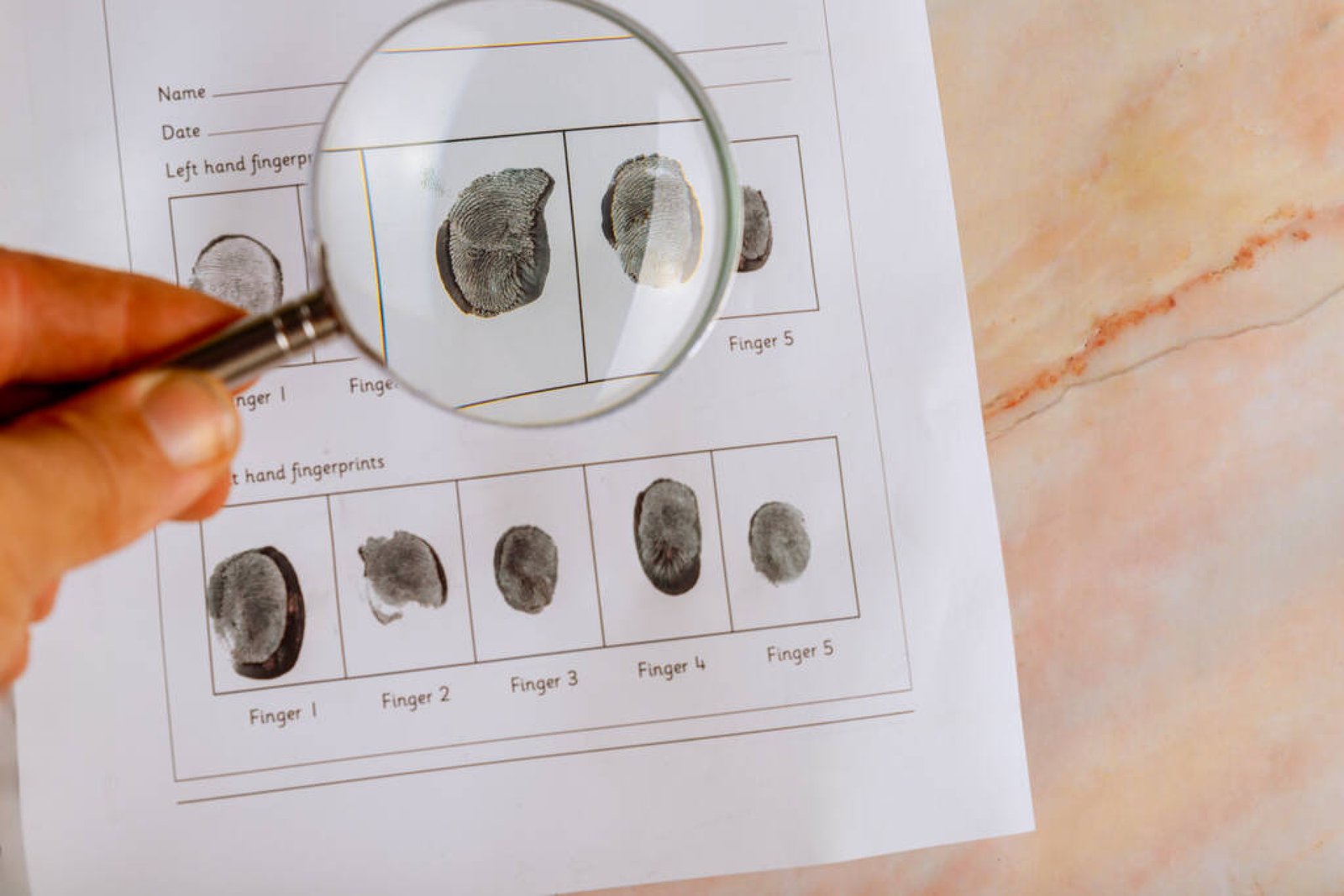
Forensic Fingerprint Analysis involves the examination and comparison of friction ridge impressions to assess whether the available ridge detail is suitable for comparison and interpretation. The examination considers the quality and characteristics of the impression rather than relying only on its general visual appearance.
Fingerprint evidence may be encountered on documents, objects, surfaces and other items associated with an investigation. Depending on the circumstances, the submitted material may contain visible, developed or otherwise recorded friction ridge impressions requiring forensic examination.
Aspire Forensics provides Fingerprint Analysis in Noida for matters involving the examination and comparison of fingerprint or friction ridge impressions where suitable evidence is available. The scope of the examination depends on the quality, clarity and preservation of the submitted material.
For clients researching the best fingerprint analysis services in Noida, the relevant examination requirement depends on the nature of the impression, the available ridge detail and the specific forensic question being addressed.
Similar requirements may arise for matters requiring top fingerprint analysis services in Greater Noida, particularly where fingerprint impressions need to be assessed as part of an investigation, dispute or other proceeding.
What Fingerprint Analysis Covers
Fingerprint analysis examines the friction ridge detail represented in an impression and considers whether the available features are suitable for meaningful comparison. The assessment may involve examination of ridge flow, ridge characteristics and the quality of the recorded detail.
The examination may concern a single impression or multiple impressions recovered from different items. Where comparison material is available, the questioned impression may be assessed against a suitable known fingerprint impression.
- Examination of questioned fingerprint impressions
- Assessment of friction ridge detail
- Comparison with suitable known impressions
- Assessment of ridge characteristics
- Evaluation of impression quality and clarity
- Consideration of similarities and differences
- Interpretation of findings within the available evidence
Types of Fingerprint Material Examined
Fingerprint evidence may be encountered on a variety of objects and surfaces. Depending on the circumstances, submitted material may include documents, containers, glass, metal, plastic, furniture, electronic devices and other items on which friction ridge impressions may be present.
The material may contain visible impressions, developed impressions or recorded images of ridge detail. The suitability of the material for examination depends on how clearly the relevant fingerprint characteristics are represented.
Digital images or reproduced fingerprint material may also be considered where appropriate. Their usefulness depends on image quality, resolution and whether the features required for examination can be adequately assessed.
Areas of Fingerprint Analysis
Ridge Detail
Examination of friction ridge characteristics present in an impression.
Fingerprint Matching
Comparison of questioned impressions with suitable known material.
Impression Quality
Assessment of clarity and suitability of the available ridge detail.
Friction Ridge Characteristics
Fingerprint forensic analysis may consider the ridge characteristics represented within the questioned impression. Depending on the quality of the impression, features such as ridge endings, bifurcations and other ridge formations may be relevant to the comparison.
The examination is not based on one isolated feature. The available ridge detail is considered collectively, together with the clarity, continuity and quality of the impression.
The characteristics that can be assessed depend on the amount and quality of ridge detail present. Distortion, smearing, incomplete impressions and other limitations may affect the scope of the examination.
Fingerprint Impression Quality
The quality of a fingerprint impression can influence how much ridge detail can be examined. An impression may contain areas of clear ridge detail together with areas that are incomplete, distorted or obscured.
Factors such as surface characteristics, pressure, movement, contamination, development methods and image quality may affect the appearance of an impression. These factors are considered when assessing whether the available detail is suitable for comparison.
A fingerprint that appears visually recognizable may not necessarily contain sufficient detail for a specific examination question. The assessment therefore remains dependent on the evidence actually available.
Questioned and Known Fingerprints
Fingerprint comparison generally involves assessment of a questioned impression against suitable known fingerprint material. The usefulness of the comparison depends on the quality and suitability of both materials.
Known fingerprint material may provide a basis for examining whether relevant ridge characteristics are represented in the questioned impression. The available material is considered before determining the appropriate scope of comparison.
Fingerprint Analysis Noida matters can involve questioned impressions recovered from different objects or surfaces and known fingerprint material submitted for comparison. The examination remains focused on the evidence presented.
Fingerprint Analysis Process
The examination begins with a review of the submitted fingerprint material and the specific question that needs to be addressed. The condition, quality and source of the available impression are considered.
The questioned impression is examined for suitable friction ridge detail and relevant characteristics. Where appropriate, the available detail is compared with suitable known fingerprint material.
Similarities, differences and limitations are considered in relation to the quality and quantity of the evidence. Findings are then interpreted in the context of the examination question and the material available.
Questions the Examination May Address
Depending on the evidence available, fingerprint analysis may assist in addressing questions such as:
- Whether a questioned fingerprint contains suitable ridge detail for examination
- Whether questioned and known impressions can be meaningfully compared
- Whether relevant ridge characteristics are represented in the available material
- Whether the quality of the impression limits the scope of comparison
- Whether observed features require consideration in relation to distortion or incomplete detail
- What limitations affect interpretation of the fingerprint evidence
Known Fingerprint Material
Suitable known fingerprint material is an important consideration when comparison is required. The quality, clarity, completeness and relevance of the known impression can affect the scope of the examination.
Known fingerprint material should be preserved and submitted in a manner that maintains the relevant ridge detail. Unnecessary alteration or degradation may affect features that could be relevant to comparison.
The type of comparison material required depends on the circumstances of the matter and the specific examination question. Appropriate material should therefore be considered according to the case requirement.
Examination of Fingerprint Images
Fingerprint images may be submitted in digital form where the original impression or developed material is not directly available for examination. Image quality and resolution are important when assessing whether relevant ridge detail can be evaluated.
Compression, enlargement, poor resolution, distortion or other changes introduced during image capture or reproduction may affect the features represented in the image.
Where the original material is available, it should be preserved carefully. Digital copies should retain as much of the original available detail as possible for examination.
Examination Findings and Limitations
Fingerprint examination findings are based on the ridge detail and other relevant characteristics represented in the material submitted for examination. Interpretation should remain connected to the evidence actually available.
Limitations may arise where an impression contains insufficient ridge detail, is distorted or incomplete, is affected by poor image quality, or does not provide suitable features for meaningful comparison.
These limitations are considered when interpreting the findings. The scope of any conclusion therefore depends on the quality, quantity and suitability of the fingerprint material examined.
When Fingerprint Analysis May Be Required
Fingerprint analysis may be relevant when friction ridge impressions are encountered on objects, documents, surfaces or other material connected with an investigation. The examination may be required where the origin or significance of an impression needs to be assessed.
Fingerprint Analysis in Noida may be required where questioned impressions need to be examined and, where appropriate, compared with known fingerprint material. Similar requirements may arise in matters involving Fingerprint Analysis in Greater Noida.
For those researching the best fingerprint analysis services in Noida, the examination should be considered according to the type of evidence available, the quality of the impressions and the forensic question involved.
Evidence-Based Fingerprint Analysis
Each fingerprint examination is considered according to the specific question, the quality of the friction ridge detail and the comparison material available. The assessment is not based simply on the visual appearance of an impression.
Relevant ridge characteristics, similarities, differences and limitations are considered together with the quality and suitability of the evidence. Where the available material restricts the examination, those limitations remain part of the interpretation of the findings.
For clients searching for the top fingerprint analysis services in Greater Noida, the examination should remain focused on the submitted evidence, the examination question and the limitations affecting interpretation.
Frequently Asked Questions
-
1. What is forensic fingerprint analysis?
Forensic Fingerprint Analysis is the examination and comparison of friction ridge impressions to assess the characteristics and suitability of the available fingerprint evidence.
-
2. Can a questioned fingerprint be compared with a known fingerprint?
Yes. A questioned fingerprint may be compared with suitable known fingerprint material when sufficient and relevant ridge detail is available for the examination.
-
3. Does the quality of a fingerprint impression matter?
Yes. The quality, clarity, completeness and amount of ridge detail can affect whether an impression is suitable for meaningful examination or comparison.
-
4. What types of surfaces may contain fingerprint impressions?
Fingerprint impressions may be encountered on documents, glass, metal, plastic, furniture, electronic devices and other surfaces, depending on the circumstances of the matter.
-
5. Can a digital fingerprint image be examined?
A digital fingerprint image may be examined where its quality and resolution are sufficient to assess the relevant ridge detail. The suitability depends on the specific examination requirement.
-
6. What can affect fingerprint impression quality?
Surface characteristics, pressure, movement, contamination, development methods, image quality and other circumstances can affect the quality and clarity of a fingerprint impression.
-
7. What if there is insufficient ridge detail?
The examination may be limited when the available impression does not contain sufficient or suitable ridge detail. Such limitations are considered when interpreting the findings.
