

Post Mortem Facial Imaging

Post-Mortem Facial Imaging & Reconstruction
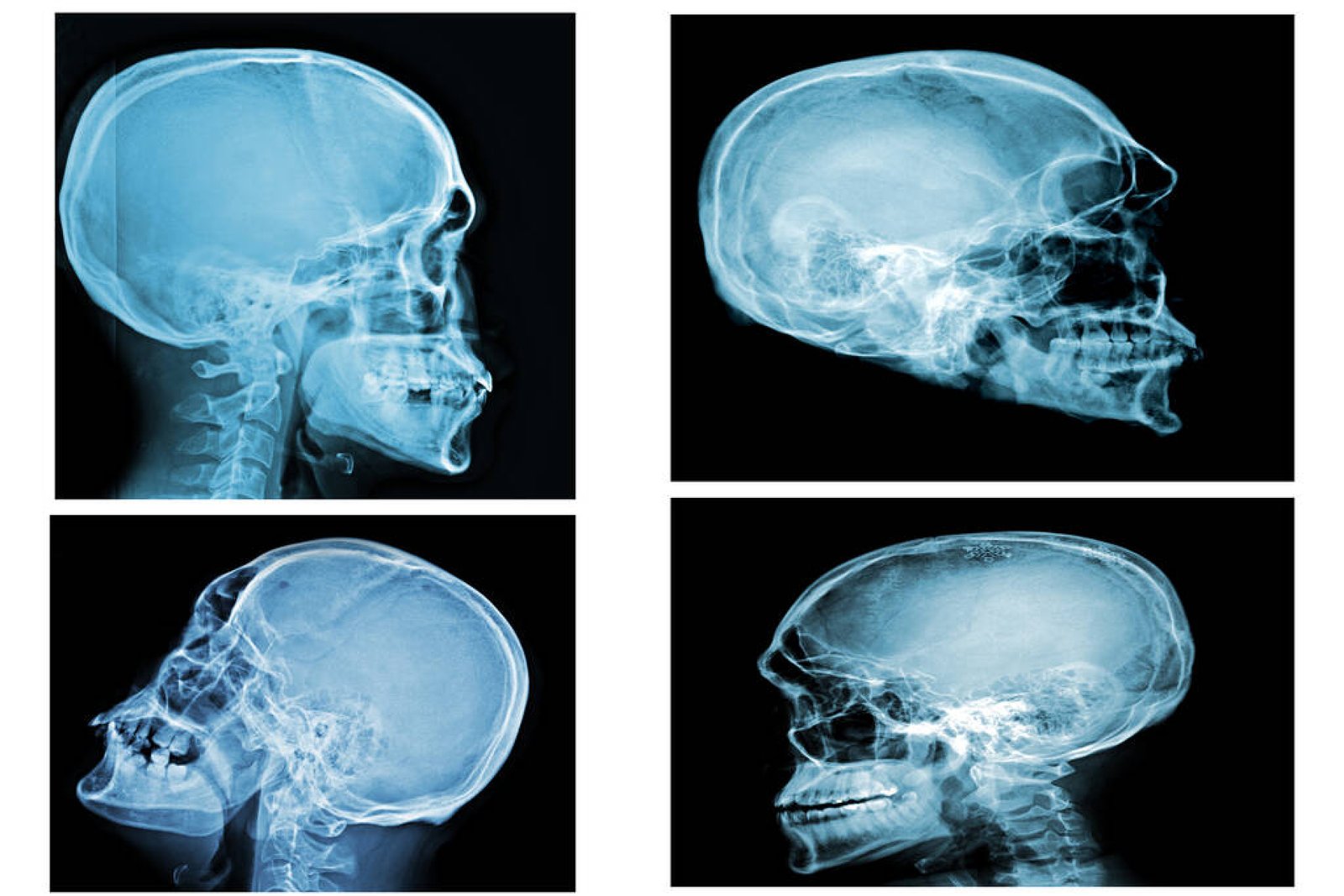
Post-Mortem Facial Imaging is a vital branch of forensic art and death investigation dedicated to reconstructing and restoring the visual appearance of deceased individuals for humanitarian identification, missing persons inquiries, and criminal casework. When unidentified human remains are recovered from crime scenes, water bodies, road accidents, building collapses, or remote rural areas, natural post-mortem processes can rapidly obscure identifying facial features. Phenomena such as decomposition, tissue bloat, traumatic blunt force impact, animal activity, immersion maceration, and post-mortem lividity transform the face, rendering direct mortuary photographs unrecognizable and unsuitable for public dissemination.
The scientific objective of post-mortem facial reconstruction is to digitally and artistically reverse the visual effects of death, presenting the deceased individual as they appeared in life. Releasing actual mortuary photographs to the public through newspapers, television, or internet bulletins is often traumatic for viewers and frequently ineffective, as bloated or discolored tissue obscures familiar living contours. Forensic facial specialists utilize digital illustration, morphological correction, and 2D/3D craniofacial modeling to eliminate traumatic wounds, close the mouth, adjust sunken or protruding eyes, neutralize discolored lividity, and restore natural skin tones while preserving the unique, individualizing facial geometry that allows family members and acquaintances to recognize their lost loved ones.
Aspire Forensics provides compassionate, highly specialized Post Mortem Facial Imaging in Noida. Our dedicated laboratory operates with deep respect for human dignity and strict adherence to medicolegal evidentiary standards, assisting police departments, mortuaries, medical examiners, and humanitarian tracing agencies in resolving John Doe and Jane Doe cold cases.
Clients seeking the best post mortem facial imaging services in Noida rely on our anatomical mastery, sophisticated graphic reconstruction suites, and proven track record of restoring recognizable facial likenesses from severely compromised and traumatized remains.
For medical examiners, human rights organizations, and investigative agencies requiring top post mortem facial imaging services in Greater Noida, our certified practitioners provide courtroom-ready demonstrative reports, scaled identification portraits, and comprehensive documentation of every digital restoration performed.
Anatomical Principles and Decomposition Mechanics
Reconstructing a deceased individual’s face requires a thorough understanding of forensic pathology, post-mortem decomposition, and skeletal anatomy. A forensic imaging specialist must distinguish between pre-existing living characteristics and artifacts introduced strictly by death and trauma.
Decomposition and Lividity Reversal: Post-mortem hypostasis (livor mortis) leads to dark purple and reddish settling of blood in dependent facial tissues, while bacterial putrefaction produces skin slippage, marbling, and gas distension. The forensic artist analyzes underlying bony structures and cartilage landmarks to digitally reduce gas swelling, normalize dermal pigmentation, and reconstruct fallen or collapsed nasal tissues to their natural anatomical elevation.
Trauma Reconstruction and Alignment: In vehicular accidents, falls, and homicides involving cranial fractures, soft tissues may be displaced or severely lacerated. By reviewing post-mortem autopsy reports, dental records, and pre-autopsy CT scans or X-rays, the specialist re-aligns fractured bony planes, closes traumatic lacerations, and restores facial symmetry, ensuring that the final portrait reflects true anatomical architecture rather than traumatic disruption.
Methodology of Post-Mortem Digital Reconstruction
The generation of a post-mortem facial depiction follows a disciplined, step-by-step scientific workflow:
- Medicolegal Data Review: Examining mortuary photographs, autopsy notes, preliminary dental charting, biological profile assessments (estimated age, biological sex, ancestral background), and medical imaging.
- Geometric Correction & Symmetry Mapping: Correcting perspective distortion, head tilt, and gravitational sagging resulting from mortuary photography positions, establishing a natural, upright eye-level gaze.
- Digital Trauma Repair: Systematically removing soft-tissue wounds, suturing artifacts, bloodstains, surgical incisions, and debris while strictly preserving innate facial moles, scars, and tattoos.
- Eye and Expression Normalization: Digitally opening the eyelids, restoring corneal curvature and natural eye color (cross-referenced with autopsy notes), and neutralizing grimaces into a calm, living facial expression.
- Hair and Context Reconstruction: Reconstructing matted, soaked, or missing hair based on surviving follicles, adjusting hairline margins, and rendering neutral, civilian clothing to facilitate public recognition.
Key Applications of Post-Mortem Imaging
Unidentified Body Bulletins
Creating dignified living portraits of unidentified deceased individuals suitable for social media distribution.
Severe Trauma Restoration
Digitally reconstructing faces affected by high-velocity impacts, animal predation, structural fires, or crushing injuries.
Immersion Maceration Repair
Eliminating characteristic swelling, skin bleaching, and tissue distortion in drowning and aquatic recovery cases.
Ethical Standards and Evidentiary Value
Post-mortem facial imaging carries heavy ethical responsibilities. The image must balance the need for recognizable, living features against the legal imperative of absolute scientific accuracy. Introducing idealized beauty or generic features can cause family members to dismiss the depiction, stalling the identification process.
Aspire Forensics adheres to the ethical code of forensic identification. We maintain transparent audit logs documenting every digital layer, stamp, and anatomical correction applied. When an identification is subsequently confirmed through DNA, fingerprinting, or forensic odontological comparison, our prior imaging reports provide legal verification that the visual depiction played an appropriate, objective role in generating the primary lead.
Decomposition Extremes and Cranial Loss
While digital restoration can overcome significant swelling, lividity, and surface trauma, extreme advanced decomposition—such as complete skeletonization or extensive thermal destruction of the facial bones—precludes direct post-mortem photographic editing. In such advanced cases, the methodology must shift from 2D photographic restoration to full 3D craniofacial reconstruction modeled directly over the physical skull.
Our laboratory evaluates each exhibit individually to determine the appropriate forensic approach. When source tissue is too far degraded to support reliable photographic correction, we advise authorities on transitioning to 3D skeletal modeling, preventing inaccurate visual representations.
Frequently Asked Questions
-
1. Why is post-mortem facial imaging preferred over mortuary photos for public identification?
Actual mortuary photographs often display shocking trauma, discoloration, and post-mortem changes that distress the public and distort living recognition. Digitally restored portraits present the individual as they appeared in life, making recognition far more likely.
-
2. Can a recognizable face be restored if the eyes were closed or damaged?
Yes. Forensic artists digitally open the eyelids using anatomical models, correct orbital depth, and restore natural eye coloration cross-referenced with medical examiner and autopsy records.
-
3. How do you know what the deceased individual's hairstyle looked like?
Examiners inspect surviving hair roots, follicles, hair color, and texture at the scene or morgue. If the hair is completely missing or destroyed, neutral, culturally appropriate contemporary styles are rendered and noted as approximations.
-
4. Is a post-mortem composite considered legal proof of identity?
No. Post-mortem imaging is an investigative tool to generate leads and locate potential family members. Definitive legal identification must always be confirmed through comparative dental analysis, friction ridge fingerprints, or nuclear DNA profiling.
