

Forensic Biology

Forensic Biology Examination
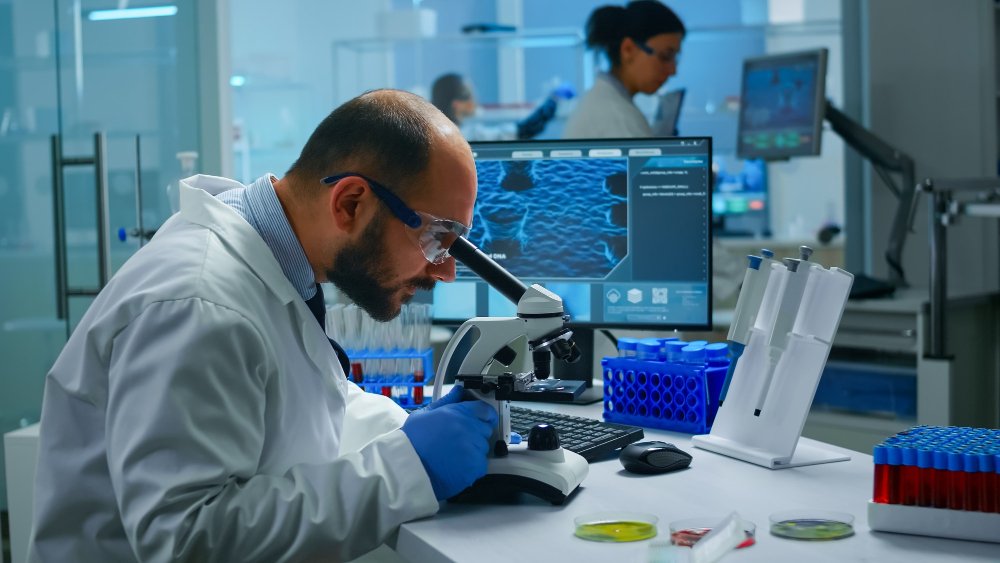
Forensic Biology is a foundational branch of forensic science that involves the systematic collection, identification, and preservation of biological evidence recovered from crime scenes, victims, suspects, and evidentiary exhibits. Grounded in the fundamental principles of life sciences, forensic biology serves as the primary gateway for connecting physical evidence to human or animal sources. Every biological material left behind—whether it is visible blood spatter, trace saliva on a cigarette butt, microscopic skin cells on a steering wheel, or botanical matter trapped in footwear treads—carries structural and genetic information. The application of rigorous biological screening protocols allows forensic investigators to locate, categorize, and preserve these fragile samples before they undergo advanced individualization through DNA profiling.
The historical evolution of forensic biology has transformed criminal justice. While early forensic methods relied heavily on broad class characteristics like blood group serology, modern biological screening utilizes specialized optical technology, high-power magnification, and biochemical assays to evaluate trace materials at the cellular level. Locard’s Exchange Principle dictates that perpetrators inevitably leave traces of themselves at a crime scene and take traces away with them; forensic biology provides the analytical tools required to discover, visualize, and decode these microscopic transfers. Whether investigating homicides, sexual assaults, armed robberies, or complex civil torts, biological analysis establishes the objective timeline and spatial relationships that reconstruct how an incident occurred.
Aspire Forensics provides highly specialized and accredited Forensic Biology services in Noida. Our laboratory is structured to handle diverse evidentiary items under sterile, contamination-controlled conditions. We assist law enforcement agencies, defense councils, corporate compliance teams, and private individuals in examining physical items to isolate biological matter and establish verified facts for judicial presentation.
Clients searching for the best forensic biology services in Noida depend on our rigorous adherence to international handling standards. We ensure that every piece of physical evidence is processed using non-destructive visual screening first, protecting the downstream availability of cellular material for subsequent genetic testing.
For complex legal cases requiring top forensic biology services in Greater Noida, our certified biological experts deliver exhaustive, independent analytical reports. These documents clearly detail the presence, location, and condition of all biological findings, ensuring transparency and credibility in the courtroom.
Scientific Principles and Biological Evidence Handling
Biological evidence is inherently unstable. Composed of organic molecules, proteins, and cellular structures, it is highly susceptible to environmental degradation caused by moisture, heat, ultraviolet radiation, and bacterial or fungal activity. The primary objective of a forensic biologist is to halt this degradation process through proper collection, packaging, and environmental stabilization.
The Chain of Custody: Every biological exhibit submitted for analysis must be accompanied by an unbroken chain of custody. This legal and technical log documents every transfer, storage condition, and analytical manipulation of the item. Maintaining this documentation ensures that the evidence presented in court is the exact same material recovered from the scene, shielded from allegations of tampering or cross-contamination.
Prevention of Contamination: Because modern DNA extraction techniques are hyper-sensitive—capable of detecting minuscule traces of human touch—forensic biology laboratories enforce strict anti-contamination controls. Analysts wear full protective barrier garments, face masks, and sterile gloves. Workspaces, instruments, and laminar flow hoods are regularly sanitized using UV sterilization and DNA-degrading agents to prevent the introduction of foreign DNA into casework exhibits.
Analytical Methodology and Screening Protocols
The workflow of forensic biology follows a structured, hierarchical progression from macroscopic observation to microscopic and chemical confirmation:
- Macroscopic Visual Inspection: Detailed examination of clothing, weapons, or objects under controlled lighting to identify obvious staining, trauma marks, or embedded debris.
- Alternate Light Source (ALS) Screening: Using specific wavelengths of ultraviolet, blue, and infrared light to cause latent biological fluids (semen, saliva, urine) to fluoresce against dark or patterned backgrounds.
- Presumptive Chemical Testing: Applying rapid colorimetric reagents to micro-samples of a stain to indicate the probable presence of biological fluids.
- Microscopic Analysis: Utilizing compound and stereomicroscopes to locate cellular structures, epithelial cells, hair cuticles, or spermatozoa.
Key Areas of Forensic Biological Analysis
Stain Localization & Characterization
Mapping out hidden or diluted biological fluids across large substrates using optical fluorescence and chemical mapping.
Trace Cellular Recovery
Extracting epithelial cells left behind through casual handling of objects, commonly referred to as touch DNA evidence.
Botanical & Fiber Sorting
Isolating foreign plant seeds, pollen grains, or textile fibers to link a suspect to a specific geographical location.
Evidentiary Value in Judicial Proceedings
Biological findings provide critical context in judicial trials. For instance, finding a victim's blood on a suspect's shoe contradicts an assertion of no prior contact. Similarly, locating mixed biological profiles on a weapon or clothing item helps reconstruct physical struggle dynamics. Aspire Forensics ensures that all biological data is recorded objectively, providing the scientific foundation required for courts to evaluate intent, presence, and sequence of events accurately.
Environmental Challenges and Limitations
Environmental exposure remains a primary limiting factor in forensic biology. Sunlight degrades cellular structures, high humidity accelerates microbial growth which destroys DNA, and harsh chemical cleaners can denature proteins entirely. While our laboratory utilizes advanced extraction chemicals to salvage compromised exhibits, highly degraded samples may yield inconclusive screening results, a reality that is explicitly documented in our formal reports.
Frequently Asked Questions
-
1. What items can contain forensic biological evidence?
Almost any object can harbor biological evidence. Common items include clothing, bedsheets, weapons, steering wheels, cigarette butts, drinking mugs, stamps, envelope flaps, and ligature ropes.
-
2. How should wet biological evidence be packaged?
Wet evidence should never be sealed in plastic bags, as trapped moisture accelerates mold growth and destroys DNA. It must be air-dried at room temperature and packaged in breathable paper bags or containers.
-
3. Can biological tests be performed on items that have been washed?
Yes. Although laundering dilutes stains and degrades cellular integrity, microscopic traces of biological material often remain trapped within fabric weaves and can be detected using sensitive screening and DNA methods.
-
4. Is forensic biology testing admissible in Indian courts?
Yes. Forensic biology reports prepared under proper chain-of-custody protocols are fully admissible as expert opinion evidence under relevant provisions of the Bharatiya Sakshya Adhiniyam.
