

Photograph Verification

Forensic Photograph Verification
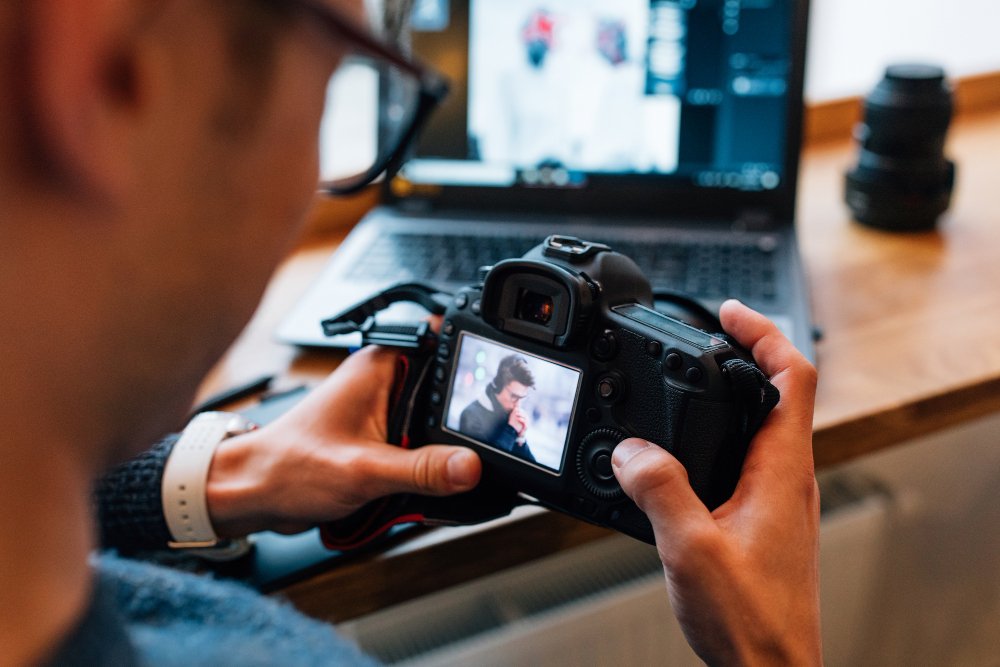
Forensic Photograph Verification involves the examination of a questioned photograph or digital image to assess relevant visual, technical and contextual characteristics. The examination may address questions concerning the apparent integrity, consistency, origin or possible modification of photographic material.
Photographs may become important evidence in investigations, disputes, insurance matters, identification-related enquiries, documentation and legal proceedings. Questions may arise regarding whether an image has been altered, whether different images are consistent with one another, or whether particular visual features require closer examination.
Aspire Forensics provides Photograph Verification in Noida for matters requiring forensic examination of questioned photographic material. The scope of the examination depends on the specific question, the image available and the characteristics that can reasonably be assessed.
For clients seeking Photograph Verification in Greater Noida, the examination similarly considers the source, condition, format and available information associated with the photograph or image.
What Photograph Verification Covers
Photograph verification considers relevant features visible within a questioned image and, where appropriate, information associated with its production or digital representation. The examination is directed toward the specific question rather than relying only on the overall appearance of the photograph.
A questioned photograph examination may involve a single image, a series of photographs or comparison between questioned and known images. The scope depends on the quality, format, source and availability of suitable comparison material.
- Examination of questioned photographic material
- Assessment of visible image characteristics
- Examination for indications of apparent modification
- Comparison of photographs where appropriate
- Assessment of image quality and limitations
- Examination of relevant contextual information
- Interpretation of findings within the available evidence
Types of Photographic Material Examined
Questioned photographic material may exist in different physical and digital forms. Depending on the circumstances, examination may involve printed photographs, scanned images, digital photographs, screenshots and other photographic reproductions.
The examination may focus on an individual image, a particular area within a photograph or a group of images requiring comparison. The nature of the question determines which features are relevant for assessment.
Original digital files may provide information that is not available from screenshots, compressed images or printed reproductions. Where available, the original source material should therefore be preserved in its existing condition.
Areas of Photograph Verification
Image Attributes
Examination of relevant visual features within questioned photographic material.
Modification Examination
Assessment of apparent alterations, edits and other image modifications.
Image Comparison
Comparison of questioned images with suitable known photographic material.
Photographic Image Characteristics
Forensic photograph examination may consider characteristics visible within the image and, where available, relevant information associated with the image file. These may include image composition, visible inconsistencies, lighting, perspective, edges, repeated patterns and other features relevant to the examination question.
The assessment does not depend on a single visual feature. Relevant observations are considered together with the quality, resolution and condition of the photographic material.
The usefulness of a particular feature depends on how clearly it is represented in the submitted image. Compression, resizing, screenshots and repeated processing may affect the features available for examination.
Examination of Image Modifications
Digital photographs can be processed, resized, compressed or otherwise modified for legitimate reasons. In a forensic examination, the relevant question is whether the available evidence supports an assessment of particular changes or inconsistencies.
Possible areas of examination may include apparent alterations, inserted or removed visual elements, inconsistencies between image regions and other features requiring further assessment. The ability to examine such features depends heavily on the quality and provenance of the available material.
A visual difference or unusual appearance by itself should not automatically be interpreted as evidence of manipulation. The observation must be considered within the technical limitations of the image and the examination question.
Digital Image Source and Context
The source and form in which a photograph is submitted can affect the examination. An original image file may contain information that is not retained in a screenshot, social-media download, messaging-app copy or printed photograph.
Contextual information can also assist in understanding the material being examined. Details concerning where the image was obtained, how it was supplied and whether it has been processed may be relevant to the scope of the examination.
Forensic Photograph Verification Noida matters may therefore involve both the photographic image and the available source material. The examination remains limited to information that can be reliably assessed from the evidence submitted.
Photograph Comparison
Photograph comparison may be undertaken where two or more images need to be assessed in relation to a specific examination question. Comparison may consider visible features, image content and other characteristics that are sufficiently represented in the available material.
Comparison requires suitable material and should take account of differences caused by image resolution, camera position, lighting, perspective, compression and other conditions of image capture or reproduction.
Findings from image comparison are interpreted in the context of the available evidence rather than relying solely on visual resemblance between images.
Photograph Verification Process
The examination begins with a review of the questioned photograph, the specific issue to be addressed and any available source or comparison material. Relevant features are identified according to the nature of the examination question.
The image is then examined for relevant visual and technical characteristics. Where appropriate, questioned material may be compared with suitable known images or source material. Image quality, resolution and processing history are considered where such information is available.
The findings are interpreted in the context of the examination question. Limitations arising from image quality, missing source files, compression or other factors are taken into consideration when reporting the findings.
Questions the Examination May Address
Depending on the evidence available, photograph verification may assist in addressing questions such as:
- Whether a questioned photograph contains features requiring forensic examination
- Whether apparent modifications can be assessed from the available image
- Whether two photographs can be meaningfully compared
- Whether image quality or processing affects the examination
- Whether available source material provides additional information for assessment
- What limitations affect interpretation of the photographic evidence
Importance of Original Image Files
Original image files are generally preferable where technical or detailed image characteristics need to be examined. An original file may preserve information that can be lost when an image is resized, compressed, converted or captured as a screenshot.
Screenshots, printed photographs and downloaded copies may still provide useful information in appropriate circumstances. Their suitability depends on the examination question and the quality of the available material.
Where original digital photographs are available, they should be preserved in their existing condition. Re-saving, editing, cropping or repeatedly transferring the files may change information that could be relevant to examination.
Known and Reference Images
Suitable reference images can be important when photographic comparison is required. The relevance, quality, resolution and source of the reference material can affect the scope of the examination.
Depending on the question, reference material may include original photographs, related images, photographs from the same sequence or other suitable material available for comparison.
The exact comparison material required depends on the circumstances of the matter. Reference images should therefore be considered according to the specific examination question.
Examination Findings and Limitations
Photograph verification findings are based on the characteristics observable in the material submitted for examination. The interpretation should remain connected to the available photographic evidence and the specific question presented.
Limitations may arise where the image is low resolution, heavily compressed, available only as a screenshot, missing its original source file or otherwise lacks information required for a particular assessment.
These limitations are considered when interpreting the findings. The scope of any conclusion therefore depends on the quality, quantity and suitability of the photographic material examined.
When Photograph Verification May Be Required
Photograph verification may be relevant when the integrity, content or apparent origin of photographic material is questioned. Such matters can arise in investigations, insurance matters, disputes, documentation, identification-related enquiries and other proceedings where photographic evidence is relevant.
Photograph Verification in Noida may be required where a questioned image needs forensic assessment in connection with a dispute, investigation or other proceeding. Similar requirements may arise in matters requiring Photograph Verification in Greater Noida.
The appropriate examination depends on the nature of the questioned photograph, its available source material and the specific issue being examined.
Professional Photograph Verification
Each photograph examination is considered according to the specific question, the characteristics that can be observed and the source or comparison material available. The assessment is not based solely on the apparent appearance of an image.
Relevant visual characteristics, image quality, comparison material and available source information are considered together within the scope of the examination. Where the available material places limitations on the assessment, those limitations remain part of the interpretation of the findings.
This evidence-focused approach helps keep Forensic Photograph Verification connected to the material actually examined and the specific question for which the examination was requested.
Frequently Asked Questions
-
1. What is forensic photograph verification?
Forensic Photograph Verification involves examination of a questioned photograph or image to assess relevant visual, technical and contextual characteristics in relation to a specific examination question.
-
2. Can a photograph be examined for apparent alterations?
Yes. Depending on the quality and condition of the image, examination may address apparent modifications, inconsistencies or other features that require forensic assessment.
-
3. Is the original digital photograph important?
An original digital image is generally preferable because information may be lost through screenshots, resizing, compression or repeated processing. The suitability of available material depends on the examination question.
-
4. Can a screenshot be examined?
A screenshot may be examined in some circumstances, depending on its quality and the characteristics that need to be assessed. An original image file is generally preferable where technical information is relevant.
-
5. Can two photographs be compared?
Yes. Photographs may be compared where suitable material is available. The usefulness of comparison depends on factors such as image quality, resolution, perspective, lighting and the specific examination question.
-
6. Does image compression affect examination?
Yes. Compression, resizing and other forms of processing can remove or alter image information. Their effect depends on the original material and the characteristics that need to be examined.
-
7. What if the original photograph is unavailable?
Other available copies or reproductions may still be examined where appropriate. However, the absence of original material may limit the scope of the examination and the interpretation of the available evidence.
