

Semen Examination

Forensic Semen Examination
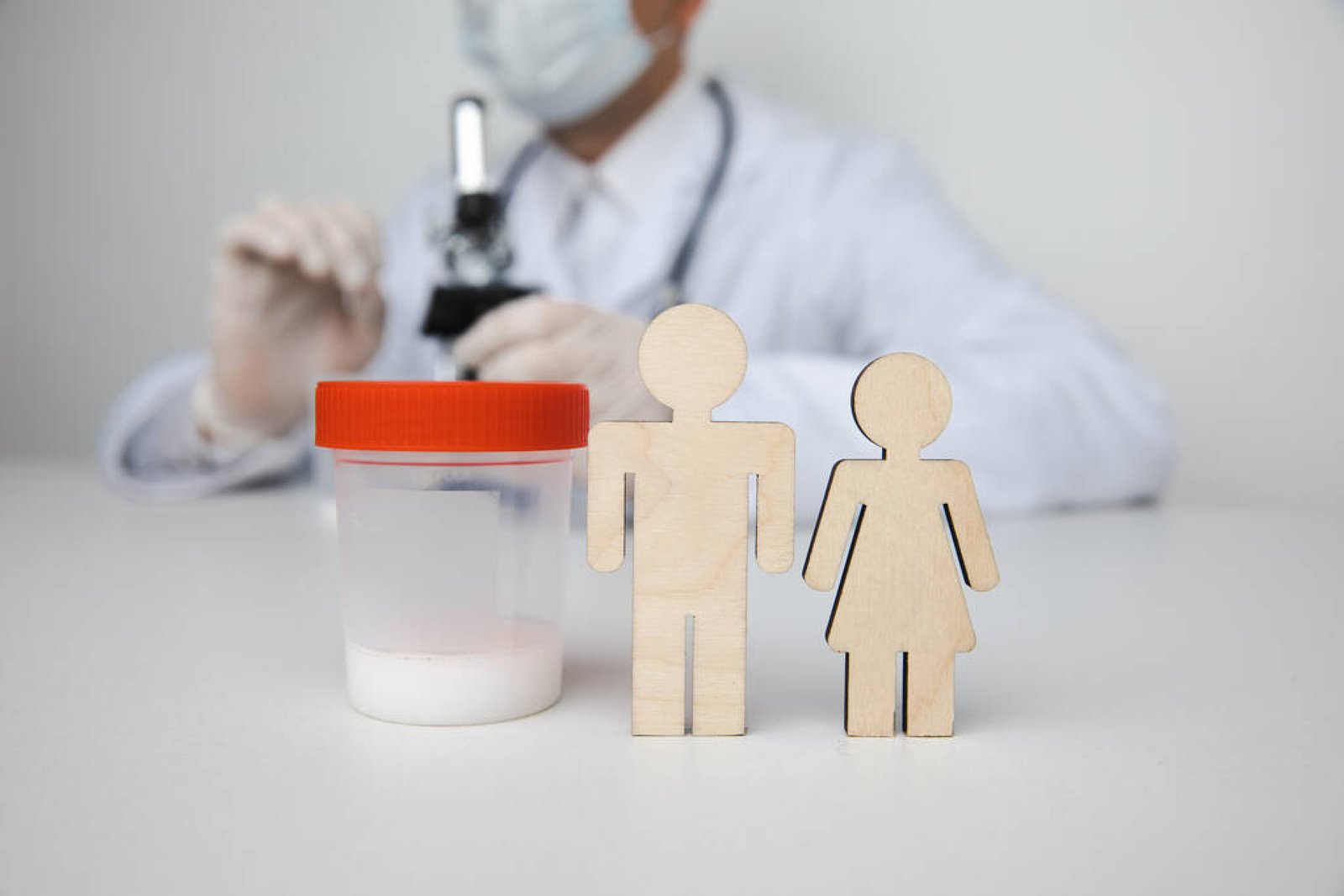
Forensic Semen Examination is a highly sensitive and critical serological investigation utilized primarily in sexual assault, rape, and related interpersonal offenses. The analysis involves identifying the presence of seminal fluid and spermatozoa on physical evidence, including victim and suspect clothing, bedding, upholstery, and biological swabs collected via sexual assault evidence kits. Proving the presence of semen establishes an undeniable physical link in cases where consent is contested, providing the empirical foundation required for criminal prosecution.
Seminal fluid is a complex organic matrix containing spermatozoa (sperm cells) suspended in seminal plasma rich in enzymes, proteins, and cellular metabolites. Because seminal stains are frequently stiff, colorless, or blended into patterned fabrics, forensic experts deploy specialized optical screening and biochemical mapping to locate them. Following localization, analysts use presumptive enzyme tests and microscopic staining methods to confirm sperm cell presence, even when samples are fragmented or when dealing with oligospermic or vasectomized contributors through protein marker assays.
Aspire Forensics provides confidential, secure, and precise Semen Examination in Noida. We handle all sexual assault and civil evidentiary exhibits under strict privacy protocols, ensuring maximum respect for victims while maintaining unassailable chain-of-custody standards.
Clients utilizing the best semen examination services in Noida depend on our advanced microscopy and immunological assay platforms to yield conclusive results from challenging evidentiary substrates.
For judicial bodies and defense teams requiring top forensic semen examination in Greater Noida, our certified experts deliver detailed reports that isolate and verify cellular material, preparing optimal samples for downstream individual DNA profiling.
Scientific Principles of Seminal Detection
The detection of semen relies on identifying unique chemical markers produced by male accessory glands. The primary enzymatic marker is Acid Phosphatase (AP), a phosphatase enzyme secreted in extraordinarily high concentrations by the human prostate gland. While small amounts of AP exist in other bodily fluids, seminal fluid contains concentrations hundreds of times higher, making it an ideal presumptive target.
Microscopic Confirmation (Christmas Tree Stain): To confirm sperm cells visually, technicians prepare smear slides stained with nuclear Fast Red and picroindigocarmine (known as the Christmas Tree stain). This differential staining causes the sperm head to appear dark red with a magenta acrosomal cap, while the tail stains green-blue. This distinct color contrast allows examiners to quickly identify spermatozoa even amidst heavy cellular debris or epithelial backgrounds.
Laboratory Workflow and Testing Steps
Semen examination follows a meticulous, multi-stage analytical process:
- Optical Mapping: Scanning fabrics under Alternate Light Sources (ALS) to locate natural semen fluorescence.
- Acid Phosphatase (AP) Spot Testing: Applying Brentamine Fast Blue reagent to stain extracts to check for rapid color reactions.
- Microscopic Slide Examination: Staining cellular preparations with Christmas Tree stain to spot intact spermatozoa.
- Confirmatory Protein Assays: Executing PSA (p30) and Semenogelin immunochromatographic tests for vasectomized or azoospermic cases.
Core Elements of Semen Analysis
Stain Screening
Mapping out fluorescence and chemical activity across garments and bedding to locate invisible seminal deposits.
Sperm Morphology
Microscopic identification and counting of intact spermatozoa using specialized differential staining techniques.
Differential Extraction
Separating male sperm cells from female epithelial cells in mixed swabs to isolate clean, reliable male DNA profiles.
Evidentiary Value in Sexual Assault Trials
Semen examination provides direct corroborative evidence in sexual offense cases. Confirming the presence of semen on physical exhibits corroborates victim testimony and establishes physical contact. Furthermore, successful isolation of sperm cells allows for differential extraction, yielding a pure male DNA profile that can be queried against suspect databases. Aspire Forensics ensures strict adherence to confidentiality and chain-of-custody protocols throughout this delicate process.
Degradation and Vasectomy Considerations
Spermatozoa have fragile tails that easily break off due to friction or bacterial action, leaving only isolated sperm heads which are harder to spot under magnification. Additionally, donors who have undergone a vasectomy produce semen completely devoid of sperm cells. In such cases, microscopic checks yield negative results, necessitating protein-specific PSA/p30 assays to confirm seminal plasma presence. Our laboratory accounts for these biological variables in every case evaluation.
Frequently Asked Questions
-
1. Can semen be detected if the perpetrator had a vasectomy?
Yes. While vasectomized individuals lack sperm cells, their seminal plasma contains high levels of prostate-specific antigen (PSA/p30) and Semenogelin, which our confirmatory protein assays detect.
-
2. How long can semen survive on clothing or bedding?
If items are kept in dry, dark, and cool conditions and packaged in paper, seminal stains and their underlying DNA can remain viable and testable for years.
-
3. Does finding semen automatically identify the suspect?
No. Semen examination proves what the substance is. To connect it to an individual, the isolated sperm cells must undergo DNA profiling for comparison against a suspect sample.
-
4. How are sperm cells separated from a victim's cells on a swab?
We use a chemical process called differential extraction. It selectively breaks down the victim's epithelial cells while leaving the tough membrane of the male sperm cells intact for separate collection and DNA testing.
