

Forensic Facial Imaging

Forensic Facial Imaging Services
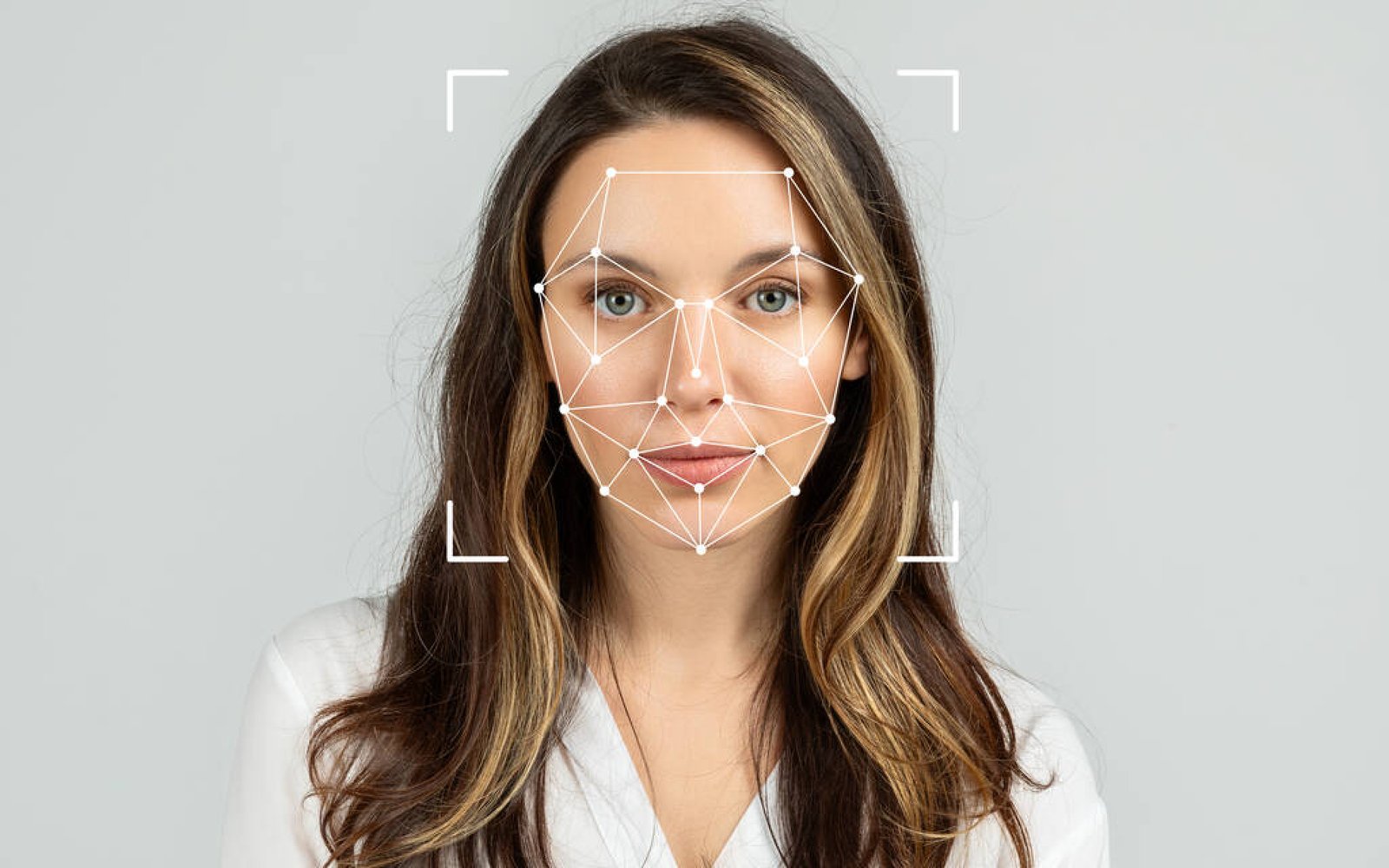
Forensic Facial Imaging is a vital discipline that merges the rigor of human anatomy, anthropometry, and scientific illustration with modern digital graphic technology. The primary function of forensic facial imaging is the visual identification, individualization, and comparison of human faces in civil disputes, criminal investigations, missing persons searches, and mass disaster victim identifications. When surveillance footage captures a shadowy figure, when a witness possesses a vivid recollection of an assailant, or when skeletal remains are recovered without personal identification documents, facial imaging serves as the indispensable bridge between vague visual remnants and verified human identities.
Unlike general graphic art or commercial portraiture, forensic facial imaging is strictly constrained by empirical human biology. Every eyebrow arch, nasal aperture, mandibular jawline, and zygomatic arch curvature is dictated by underlying cranial anatomy, soft-tissue depth tables, and peer-reviewed biological standards. The forensic artist and digital imaging specialist must accurately represent how skin, muscle, and adipose tissue conform to the human skull across different demographics, ancestral lineages, age groups, and biological sexes. By applying scientifically validated techniques, forensic facial specialists construct visual evidence that withstands the scrutiny of cross-examination in courtrooms and guides investigative resources toward actionable leads.
Aspire Forensics delivers advanced and scientifically grounded Forensic Facial Imaging in Noida. Our laboratory leverages specialized forensic graphics software, high-resolution rendering suites, and medical-grade anatomical modeling tools. We assist legal practitioners, corporate security divisions, human rights organizations, and law enforcement agencies across India in reconstructing, clarifying, and evaluating facial imagery for critical casework.
Clients seeking the best forensic facial imaging services in Noida depend on our multidisciplinary team of forensic scientists and medical illustrators. We maintain a non-destructive evidentiary workflow, ensuring that raw source material—whether low-resolution CCTV footage or fragile cranial remains—remains pristine and verifiable under strict chain-of-custody protocols.
For judicial agencies, intelligence bureaus, and defense counsels requiring top forensic facial imaging services in Greater Noida, our certified practitioners provide courtroom-ready reports, demonstrative visual exhibits, and expert witness testimony that explain complex facial anthropometry in clear, compelling, and legally robust language.
Scientific Principles of Facial Anatomy and Proportions
The human face is a complex biomechanical structure composed of bony landmarks, cartilaginous frameworks, mimetic musculature, and varying thicknesses of subcutaneous fat. Forensic facial imaging does not rely on artistic liberties; it is grounded in established anthropometric formulas and craniofacial anatomical principles.
Craniofacial Anthropometry: Anthropometry involves measuring physical dimensions between standardized craniofacial landmarks. Crucial points—such as the nasion (nasal root junction), subnasale (junction of the nasal septum with the upper lip), gnathion (lowest point of the chin), and zygion (most lateral points of the cheekbones)—provide exact geometric coordinates. These landmarks serve as the bedrock for proportional mapping, enabling experts to calculate vertical thirds and horizontal fifths of the face even in oblique, off-angle, or partially obscured imagery.
Soft-Tissue Depth Standards: Beneath skin surfaces lie measurable tissue thicknesses that have been tabulated across extensive ultrasound, CT scan, and MRI clinical databases. When reconstructing or assessing a face, forensic specialists consult tissue depth markers calibrated to specific biological profiles. This ensures that the simulated soft tissue accurately reflects the subject's probable body build, sex, and age rather than arbitrary artistic guesses.
Comprehensive Forensic Imaging Workflow
Professional forensic facial imaging demands a rigorous, phased methodology designed to eliminate bias and maintain evidentiary repeatability:
- Evidence Intake & Integrity Verification: Assessing input material—such as surveillance recordings, witness descriptions, or biological remains—and generating cryptographic hashes for digital files to secure an unbroken chain of custody.
- Craniofacial Proportional Mapping: Identifying reliable anatomical landmarks, correcting optical perspective distortion caused by wide-angle security lenses, and calculating proportional facial indices.
- Digital Layering and Feature Construction: Building the face systematically from deep skeletal structure to musculature, subcutaneous fat pads, skin surface textures, and characteristic blemishes.
- Witness Integration or Anatomical Calibration: Applying iterative feedback from cognitive witness interviews or adhering to medical tissue-depth charts for reconstruction.
- Peer Review & Evidentiary Packaging: Subjecting finished renders to blind internal peer review before issuing an expert report detailing methodology, confidence intervals, and reference standards used.
Core Applications of Forensic Facial Imaging
Investigative Composites
Translating eyewitness memory into accurate digital composite portraits to generate investigative leads.
Post-Mortem Depiction
Digitally reconstructing deceased individuals by eliminating post-mortem trauma, lividity, and swelling to allow public recognition.
Chronological Aging
Applying biological senescence patterns to project the current physical appearance of long-term missing children and adult fugitives.
Evidentiary Value and Judicial Scrutiny
In criminal proceedings, facial imagery frequently serves as demonstrative evidence that helps the court evaluate witness credibility, suspect alibis, and identification lineups. However, because suggestive techniques can lead to false identifications, Indian judicial standards under the Bharatiya Sakshya Adhiniyam demand that forensic imagery be produced through unbiased, documented, and scientifically validated protocols.
Aspire Forensics ensures that every composite sketch, age projection, and enhanced image is supported by a comprehensive case file detailing the exact software tools, tissue-depth datasets, and anatomical considerations utilized. Our transparent reporting methodology ensures that opposing legal teams cannot easily challenge the scientific objectivity of our work, providing prosecutors, defense attorneys, and corporate litigators with unassailable visual evidence.
Technical Boundaries and Quality Constraints
Forensic facial imaging is not magic; it cannot create definitive details out of complete visual voids. In low-resolution surveillance footage where an individual's face covers fewer than 20 pixels, attempting to recreate intricate iris patterns or small skin pores constitutes artistic fabrication rather than forensic science. Similarly, cognitive eyewitness recall is susceptible to memory decay, stress interference, and cross-racial identification challenges.
Professional forensic specialists operate strictly within conservative scientific boundaries. We never extrapolate beyond what physical landmarks and biological facts substantiate. When source data is degraded, our formal forensic reports explicitly outline the level of uncertainty, ensuring that judicial authorities understand the precise scientific scope and limitations of the rendered imagery.
Frequently Asked Questions
-
1. What is the primary purpose of forensic facial imaging?
Forensic facial imaging uses scientific, anatomical, and artistic techniques to depict unknown suspects from eyewitness recall, recreate the living appearance of deceased remains, project aging on missing persons, and compare facial features across evidentiary images for legal investigations.
-
2. How does forensic facial imaging differ from commercial graphic art?
Commercial art prioritizes visual aesthetics and creative license. Forensic facial imaging is strictly constrained by craniofacial anatomy, soft-tissue depth measurements, anthropometric proportions, and legal standards of evidence admissibility.
-
3. Can a face be accurately reconstructed from skeletal remains?
Yes. Forensic craniofacial reconstruction utilizes tissue-depth markers based on biological sex, estimated age, and ancestral lineage applied directly over skeletal landmarks to model the probable facial contour and soft-tissue distribution.
-
4. Are forensic facial composites admissible in court?
Composites are primarily investigative tools used to generate suspect leads and public alerts. While generally not admitted as substantive proof of guilt on their own, the methodologies and documentation behind them can be introduced as corroborative expert evidence.
