

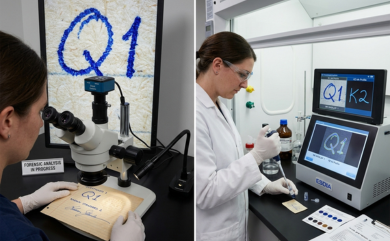
How Forensic Experts Analyze Digital Evidence

- Digital Forensics
How Forensic Experts Analyze Digital Evidence
In today's fast-paced digital ecosystem, electronic devices serve as silent witnesses to nearly every human activity. Whether investigating corporate espionage, intellectual property theft, cybercrime, or civil litigation, digital forensics provides the scientific foundation necessary to uncover the truth. At Aspire Forensics, our digital forensics specialists employ industry-standard techniques and advanced analytical tools to extract, preserve, and interpret electronic data while strictly maintaining evidentiary integrity.
Unlike routine data backup or recovery operations, digital forensics requires a meticulous approach designed to withstand intense legal scrutiny. Every keystroke, deleted file, browser cache, and metadata tag forms a piece of a larger puzzle. Our experts navigate these complex digital landscapes to ensure that critical electronic evidence is neither overlooked nor compromised.
The Four Pillars of a Forensic Digital Investigation
A legally sound and scientifically valid digital investigation relies on a structured four-stage framework: identification, preservation, analysis, and presentation. Each phase is executed with clinical precision to ensure absolute compliance with legal discovery standards and chain-of-custody protocols.
The process begins with the careful identification and seizure of potential data sources, ranging from desktop workstations and enterprise servers to smartphones, external drives, and cloud repositories. Once secured, experts generate bit-stream forensic images. This cryptographic duplicate ensures that the original media remains untouched, preventing accidental alteration or data destruction during examination.
Unearthing Hidden Artifacts and System Logs
Once the forensic image is secured in a write-blocked environment, examiners deploy sophisticated software suites to comb through every sector of the storage device. This includes carving unallocated space for deleted files, examining Windows Registry entries, parsing application execution logs, and tracing web history anomalies.
Furthermore, metadata analysis plays a vital role in establishing timelines and verifying user intent. Creation dates, modification timestamps, author tags, and hidden EXIF data can decisively confirm or refute alibis, making digital forensics an indispensable tool in modern legal proceedings.
Ensuring Admissibility and Expert Testimony
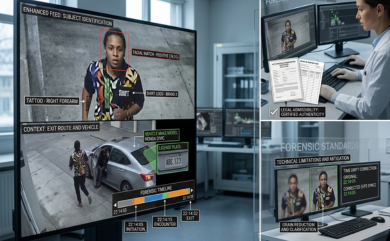
The ultimate goal of any forensic examination is clarity and objectivity. Once the data is thoroughly analyzed, our specialists compile comprehensive technical reports detailing the methodology, findings, and conclusions. At Aspire Forensics, our experts are fully prepared to translate highly complex technical jargon into clear, comprehensible testimony for judges, juries, and legal counsels.

Leave A Comments